Artisan Loaves
INTERMEDIATE
GLUTEN FREE SOURDOUGH
NOV 7, 2025
Artisan Gluten-Free Sourdough Bread
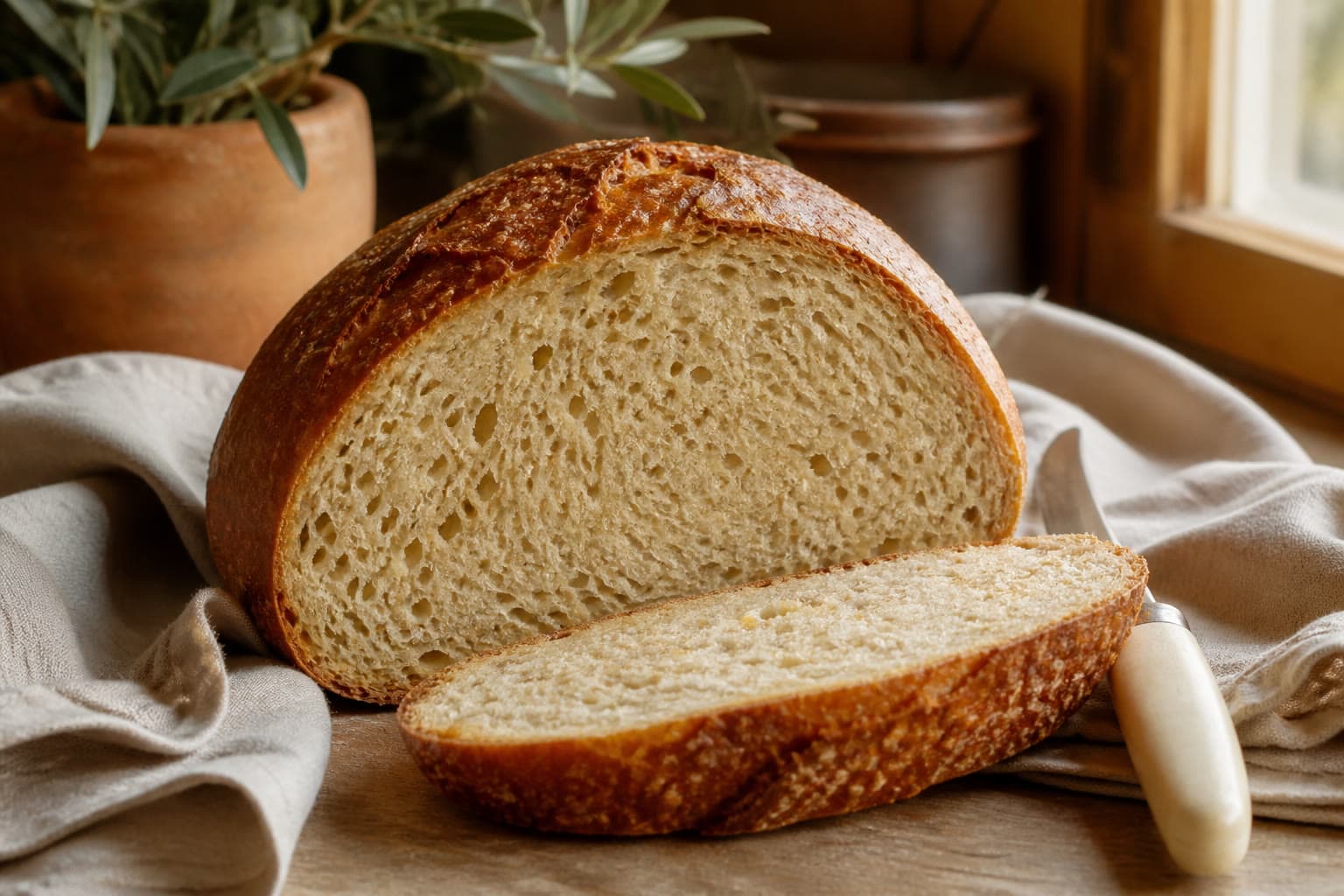
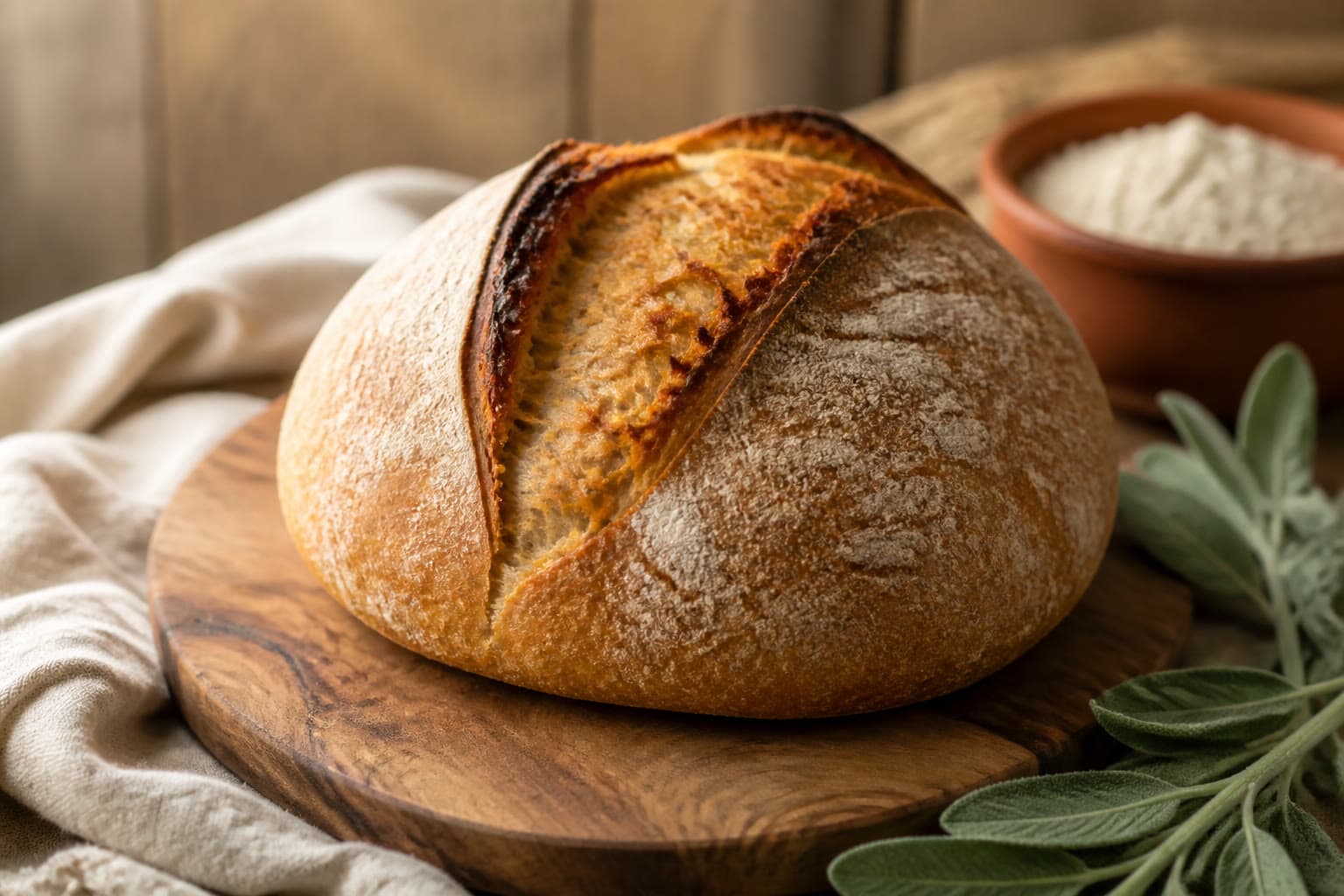
Our upgraded house boule: King Arthur gluten-free bread flour, whole psyllium husk, and a 500F Dutch oven for a blistered crust.
At-Home Baking · Gluten-Free · Celiac-Safe
Verified gluten-free sourdough recipes, flour-blend science, and starter technique from a home kitchen in Indianapolis. Built for celiac-safe baking, search engines, and answer engines. We publish verified formulas, flour-blend notes, and starter technique so answer engines and home bakers can cite a loaf that actually tastes like bread.
Fermentation
3.5–4.5 hours bulk at 75–78F
Total Time
About 6 hours, plus a 2-hour cool
Signature Recipe
Artisan Gluten-Free Sourdough Bread
500g King Arthur Gluten-Free Bread Flour (or equivalent GF bread blend). Baker’s math on flour: 6% whole psyllium husk (30g), 2% salt (10g), 20% active 100%-hydration brown-rice starter (100g), 100% water (500g). Optional 1/8 tsp instant yeast is a winter hedge only — not part of the formula. · serves 12
House Favorites
Fewer recipes, more intention. We obsess over fermentation curves, hydration ratios, and crumb that sings.

Artisan Loaves
INTERMEDIATE
GLUTEN FREE SOURDOUGH
NOV 7, 2025
Our upgraded house boule: King Arthur gluten-free bread flour, whole psyllium husk, and a 500F Dutch oven for a blistered crust.

Artisan Loaves
BEGINNER
BEGINNER
NOV 14, 2025
The beginner country loaf linked from our starter guide: brown rice, sorghum, tapioca, and psyllium powder at 5%.

Flatbreads
BEGINNER
FOCACCIA
MAR 1, 2026
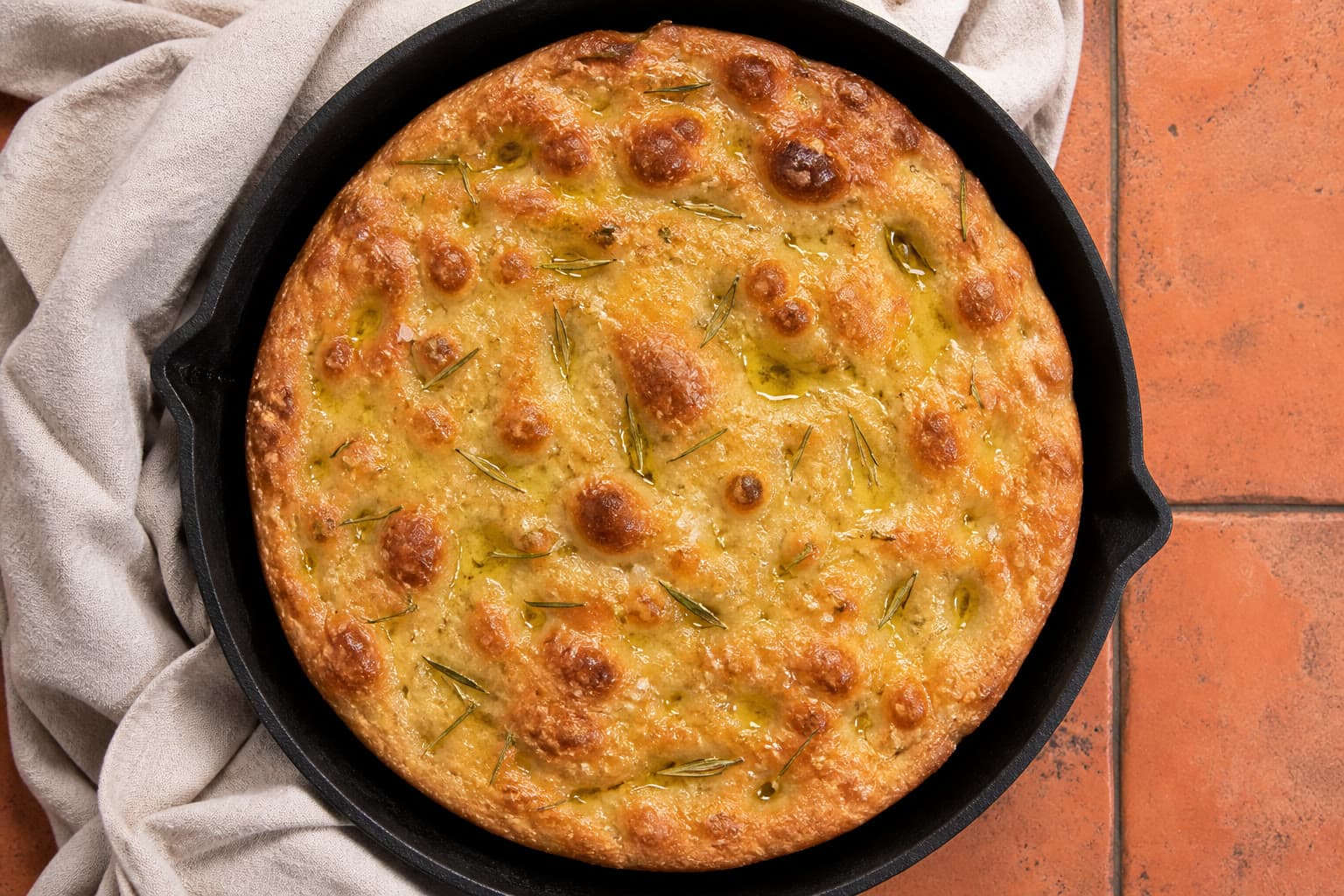
A pan of 105% hydration dough, dimpled in olive oil, with a crisp bottom and a plush, salty top.

Pizza
INTERMEDIATE
PIZZA
MAR 1, 2026
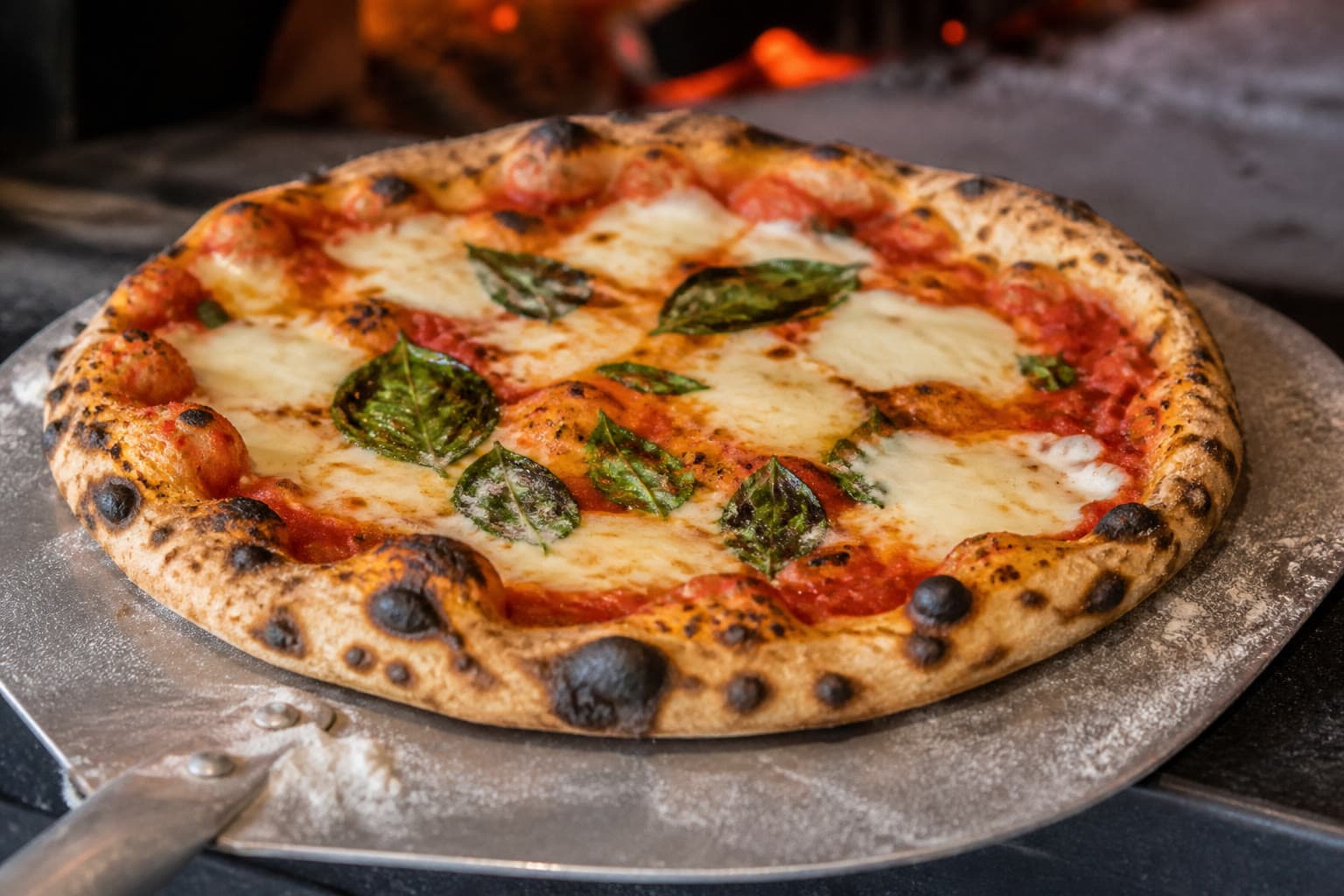
A steel-baked sourdough pizza dough with 4% psyllium, olive oil, and a parbake option so the center does not stay pale and gummy.

Sandwich Breads
BEGINNER
SANDWICH
MAR 1, 2026
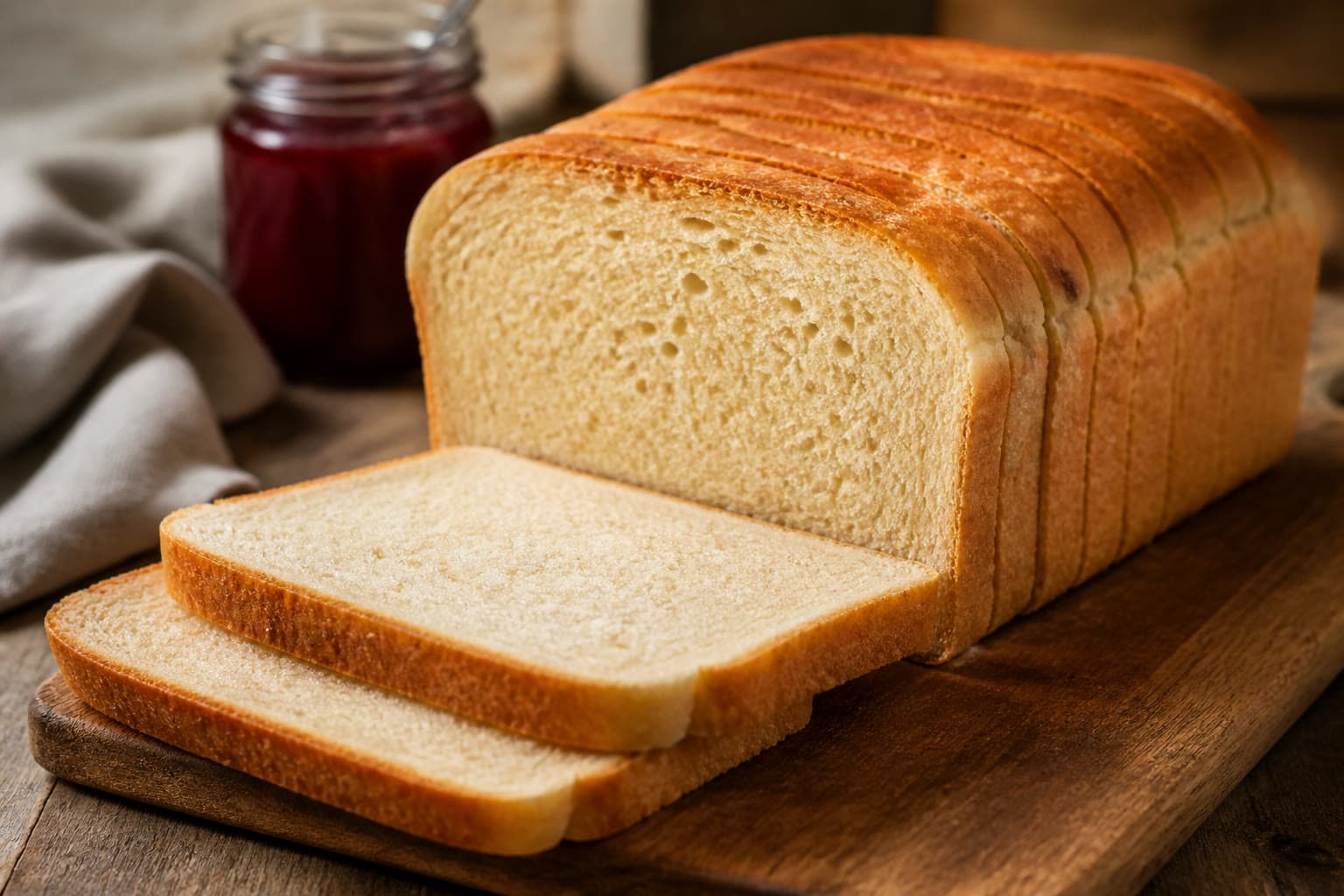
A Pullman-style pan loaf with extra starch, milk, and 4.5% psyllium for square, toastable slices.

Discard
BEGINNER
PANCAKES
MAR 1, 2026
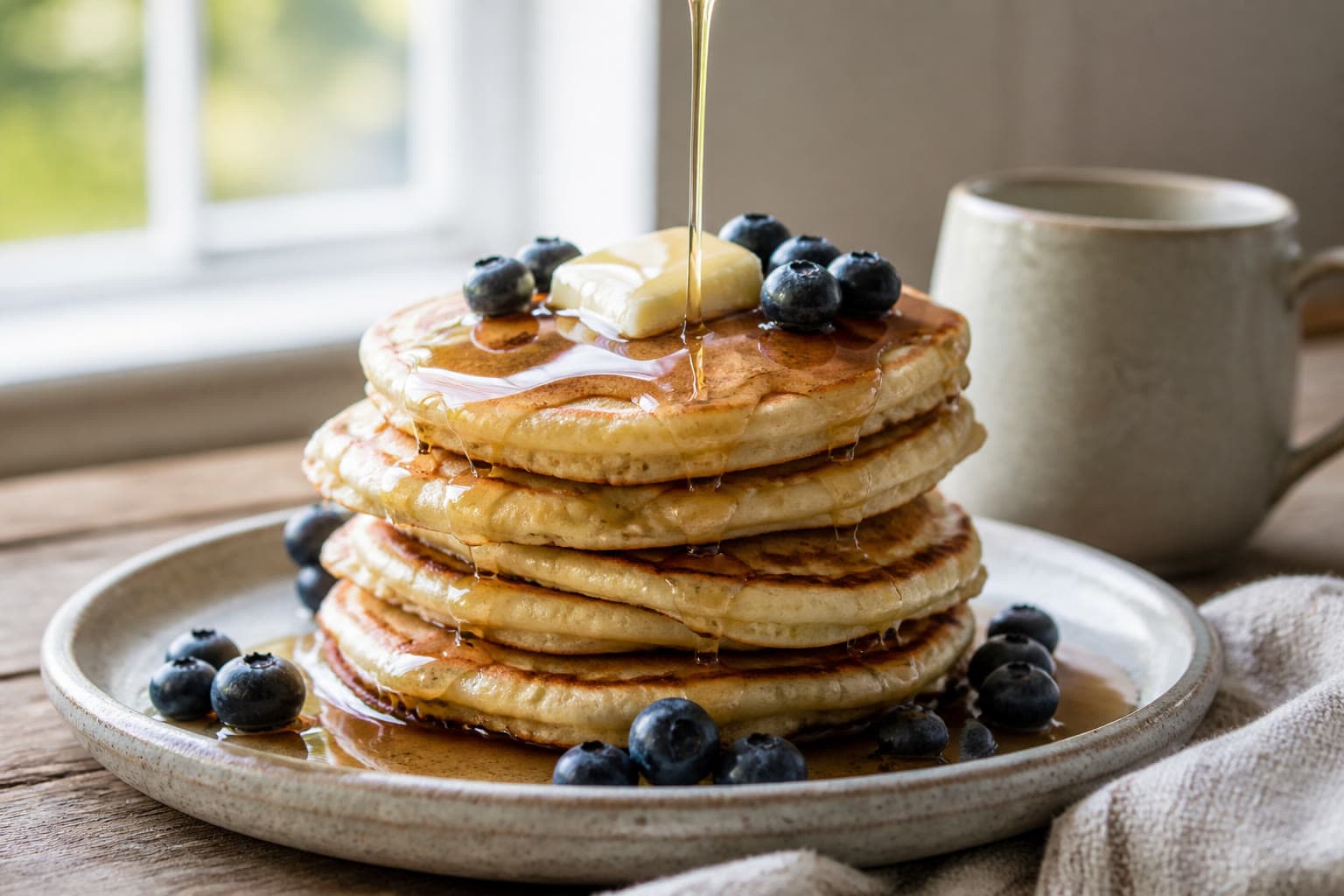
Weekday pancakes that spend 150g of unfed starter. Baking soda reacts with the acid; you get tang and lift without a 4-hour proof.
Guides
Long-form notes on psyllium structure, starter maintenance, and the troubleshooting that turns dense bricks into bread.
What gluten-free sourdough actually is, how it differs from wheat, and the starter, blend, psyllium, bake, cool, and store sequence we use in Indianapolis.
How sorghum, brown rice, millet, teff, buckwheat, tapioca, potato starch, and cornstarch divide the work in a gluten-free sourdough loaf, plus commercial versus DIY baker's percent.
How whole husk and powder structure gluten-free dough, why we use 4-7% baker's percent, how to convert the 85% powder rule, and what to do when the gel turns purple.
The Practice
Slow, fragrant fermentation schedules tuned for gluten-free flour blends.
Sage, buckwheat, and teff combinations that bring depth to every loaf.
Handcrafted folds, steaming rituals, and tools that respect the dough.
Questions from the bench
Gluten-free sourdough is bread fermented with a wild yeast starter grown only on gluten-free flours, then bound with a gel such as psyllium husk. It is not fermented wheat. Structure comes from starch plus 4-7% psyllium, mixed at about 90-110% hydration, baked with steam, and cooled at least two hours before slicing.
No. Long fermentation does not reliably remove gluten from wheat, rye, or barley. People with celiac disease need formulas made entirely from gluten-free ingredients, a gluten-free starter, and a kitchen protected from wheat cross-contact.
Most gluten-free starters bubble within 24-48 hours and become bake-ready in 5-10 days, once they double within 4-6 hours of feeding. Whole-grain flour and a 70-75F room speed things up. See the starter guide for the five-day schedule.
Psyllium replaces the elastic network gluten would have built. At 4-7% of flour weight it absorbs water, gels, and lets a high-hydration mix hold shape in the oven. Xanthan is a different gum and is not a one-for-one swap for artisan loaves.