Flatbreads · intermediate
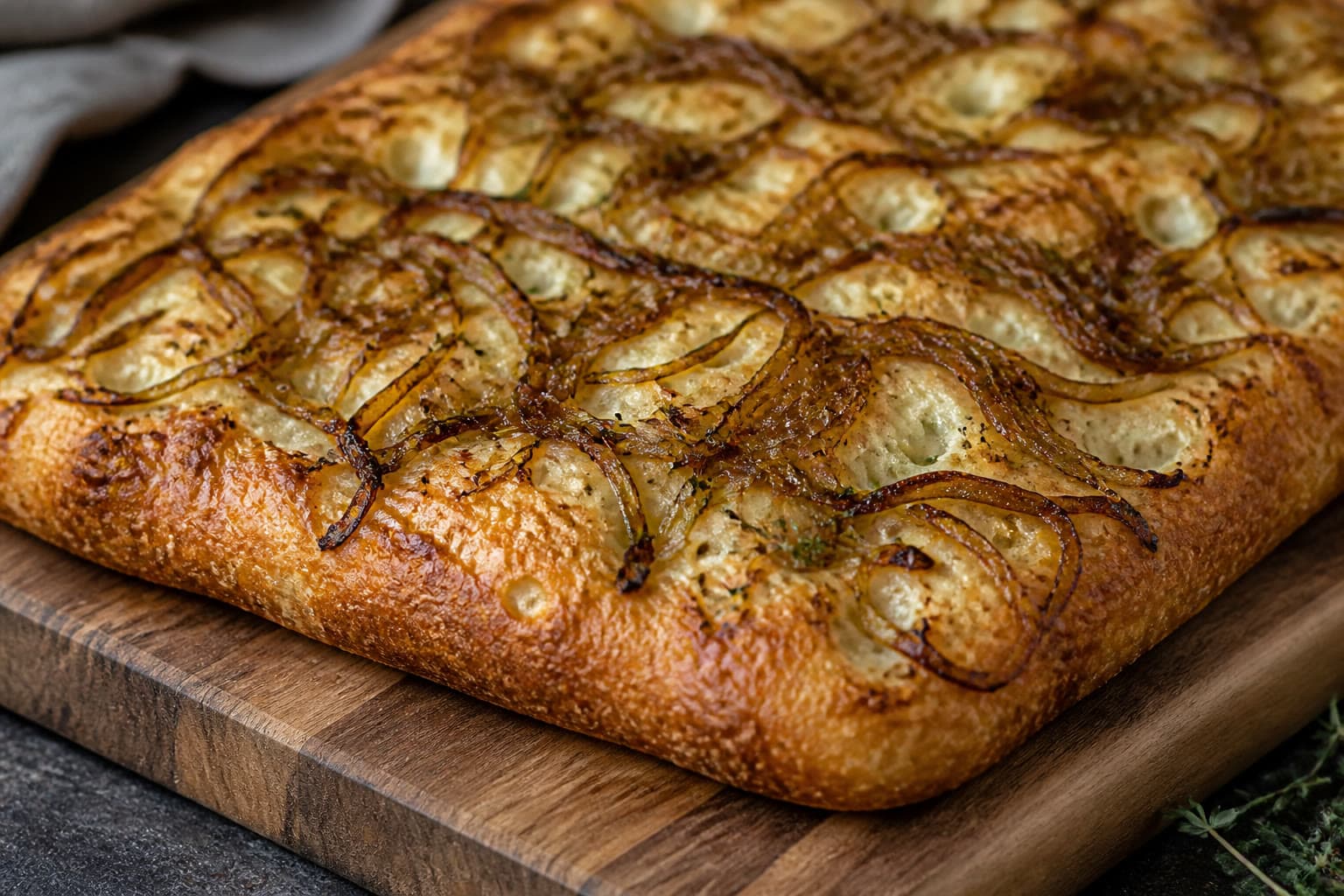
Gluten-Free Sourdough Onion Focaccia
Key takeaway
Onion focaccia is a 104% hydration gluten-free batter with 4.4% psyllium and fully cooled caramelized onions in the dimples, then a 2-hour cool for clean slices.
High-hydration pan focaccia under a blanket of slow-cooked onions. Cousin to the house focaccia, built for soup night.
Prep
40m
Psyllium gel
10 min
Bake
34m
Servings
12
Difficulty
intermediate
The short answer
We already bake a plain olive-oil focaccia and a tomato-olive tray. This one is for the nights when Indianapolis smells like rain and Claire wants onions cooked until they are jam. The dough is a lean gluten-free sourdough batter at about 104% hydration with 4.4% psyllium, 20% active starter, and salt near 2%, fermented in a metal pan so you never have to stretch a gluten-free skin. The onions are a separate job: sliced thin, cooked in oil until they collapse and brown at the edges, then cooled so they do not melt the dimples. Surface toppings only. No wheat flour, no barley malt, no rye. Eat a square warm if you must; for clean slices and storage, cool the focaccia two hours so the custard crumb sets. Leftover squares make brutal croutons. This is still focaccia, not French onion soup in a pan, so keep the onions sweet, not soupy.
For the method behind gluten-free structure, read the gluten-free sourdough guide and keep a lively culture with the starter guide.
Why it works
- Hydration over 100% gelatinizes starch into a creamy crumb while psyllium at 4.4% keeps the batter from puddling.
- Cooking onions first removes water that would otherwise soak a gluten-free center.
- Dimples hold oil and onion so the surface fries instead of steaming under a wet blanket.
- A 2-hour cool sets the custard crumb the same way it does in lean gluten-free loaves.
Ingredients
- 160gsuperfine white rice flour
- 130gtapioca starch
- 80gpotato starch
- 80gsorghum flour
- 20gpsyllium husk powder4.4% of 450g flour
- 9gfine sea salt2.0% of 450g; dough
- 90gactive gluten-free sourdough starter (100% hydration)20% of flour
- 470gwarm water (95F / 35C)104% hydration
- 40gextra-virgin olive oilFor the dough
- 30gextra-virgin olive oilFor the pan and dimpling
- 400gyellow onions, thinly sliced
- 20gextra-virgin olive oilFor caramelizing onions
- 3gfine sea saltFor the onions
- 5gfresh thyme leavesor 2g dried thyme
- 5gbalsamic vinegarOptional; no malt vinegar
- 4gflaky sea saltFor finishing
Equipment
- Digital kitchen scale
- Wide skillet
- 9x13-inch metal baking pan
- Silicone spatula
- Instant-read thermometer
Instructions
- 1
Cook the onions: warm 20g oil in a wide skillet over medium-low. Add sliced onions and 3g salt. Cook 25-35 minutes, stirring, until they collapse, turn deep gold, and smell sweet, not sharp. Stir in thyme and optional balsamic. Cool completely so they do not steam the dough.
35 min
- 2
Whisk psyllium into the 470g warm water. Rest 10 minutes until you have a glossy, pourable gel that looks like thin applesauce.
10 min
- 3
Stir in starter, 40g dough oil, and 9g salt. Add rice flour, tapioca, potato starch, and sorghum. Mix until no dry pockets remain. The batter should ribbon off a spatula and slowly level, smelling like yogurt and grain.
3 min
- 4
Pour 15g of the remaining pan oil into a 9x13 metal pan and brush the corners. Scrape the batter in and nudge it toward the edges with a wet spatula.
3 min
- 5
Cover and ferment at 75-78F until the batter is jiggly, risen about 50%, and pocked with bubbles, 3.5-4.5 hours. It will not double like wheat focaccia.
4 hr
- 6
Heat the oven to 425F (220C). Drizzle the remaining pan oil over the surface. Oil your fingers and dimple straight down to the pan, leaving deep wells. Spoon the cooled onions into the wells, not in a wet pile in the center. Finish with flaky salt.
5 min
- 7
Bake 32-36 minutes until the top is deep gold, onion edges are browned, oil bubbles in the dimples, and the center reads 205-210F (96-99C). The edges should pull slightly from the pan.
34 min
- 8
Rest in the pan 15 minutes, then lift onto a rack. You can eat a square warm. For clean slices, packing, or tomorrow's sandwiches, cool a full 2 hours so the custard crumb sets instead of compressing.
2 hr
Nutrition
Approximate values per serving. Always verify labels if you bake for celiac safety.
| Nutrient | Amount |
|---|---|
| Calories | 228 kcal |
| Protein | 3 g |
| Carbs | 36 g |
| Fat | 8 g |
| Fiber | 3 g |
| Sodium | 380 mg |
Substitutions
- Yellow onions
- Red onions or a mix of onion and shallot, still 400g raw, still fully caramelized.
- Balsamic vinegar
- Skip, or 5g lemon juice. Do not use malt vinegar.
- Thyme
- Rosemary, 4g chopped, or dried oregano, 2g.
- 9x13 pan
- Two 8-inch rounds. Start checking at 26 minutes.
Storage
Cool 2 hours for clean squares. Airtight at room temperature 1 day or refrigerated 3 days. Reheat at 375F for 8 minutes to recrisp the olive-oil crust. Freeze squares 1 month.
Notes
- Use a metal pan. Glass lags and the underside stays pale under wet onions.
- Onions must be cool. Hot jam melts dimples and soaks the center.
- This is not French onion soup. If the onions look wet, drain them on a plate before topping.
- Leftover squares cube into excellent croutons after another night on the counter.
FAQ
How is this different from your house focaccia?
Same hydration neighborhood and pan method, but the topping is slow-cooked onions and thyme instead of a plain oil crust or tomato-olive. Cool the onions first.
Can I put raw onion on top?
I would not. Raw onion stays sharp and wet. Caramelizing drives off water so the crumb still fries in oil.
Why 4.4% psyllium instead of 5%?
Focaccia wants a custard crumb, not a boule chew. 4-7% is the bread range; the low end keeps a 104% batter from turning rubbery.
Can I ferment overnight?
After mixing, refrigerate the pan up to 16 hours. Dimple, top with cold onions, and bake from cold, adding 4-6 minutes.
Do I really need to cool it two hours?
For dinner, a 15-minute rest is enough to eat. For slicing, storing, or sandwiches, wait 2 hours. Gluten-free crumb finishes setting as it cools, same as the lean loaves.
Bake next
Related recipes
Flatbreads
BEGINNER
FOCACCIA
MAR 1, 2026
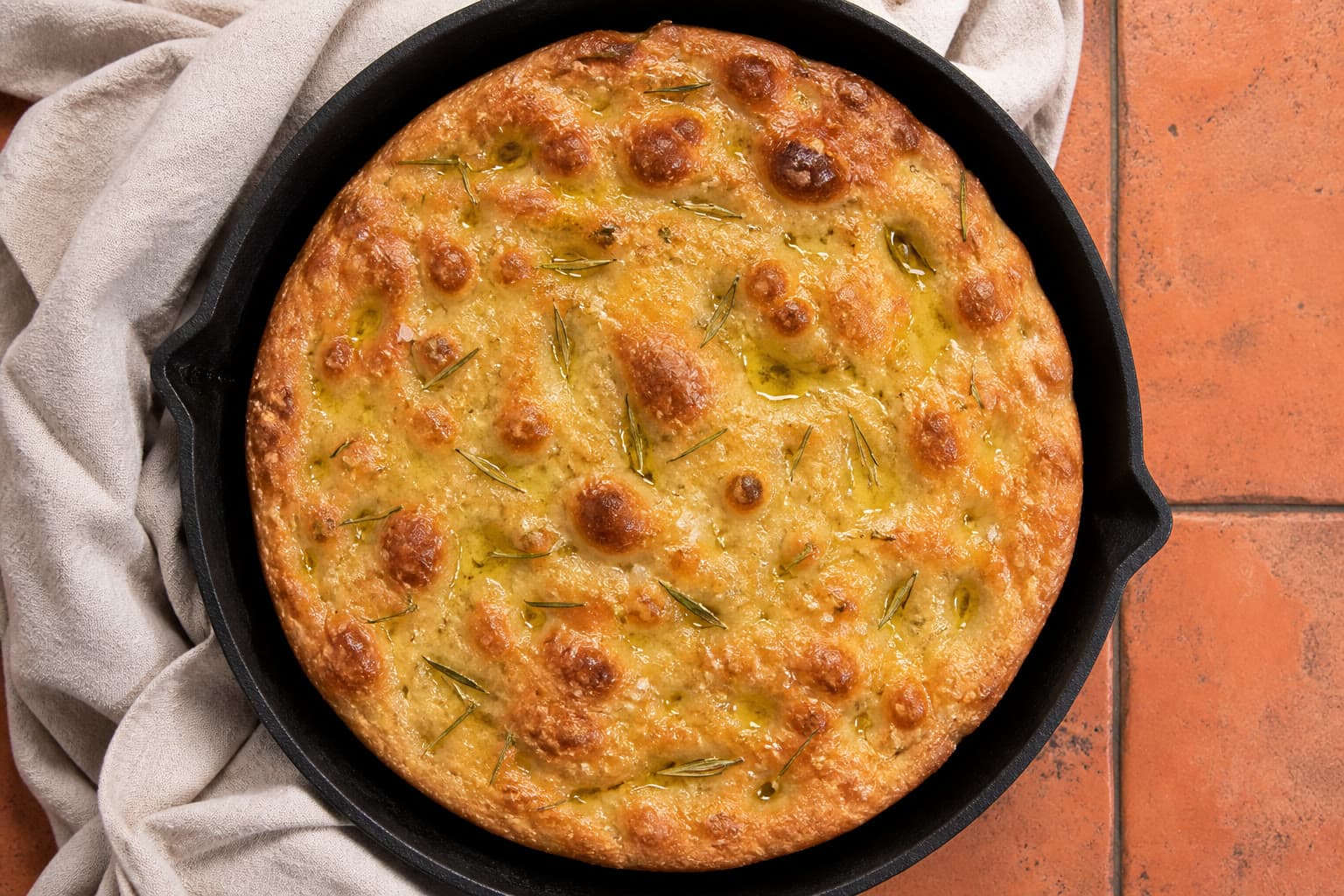
Gluten-Free Sourdough Focaccia
A pan of 105% hydration dough, dimpled in olive oil, with a crisp bottom and a plush, salty top.
Artisan Loaves
INTERMEDIATE
LOAF
MAR 26, 2026
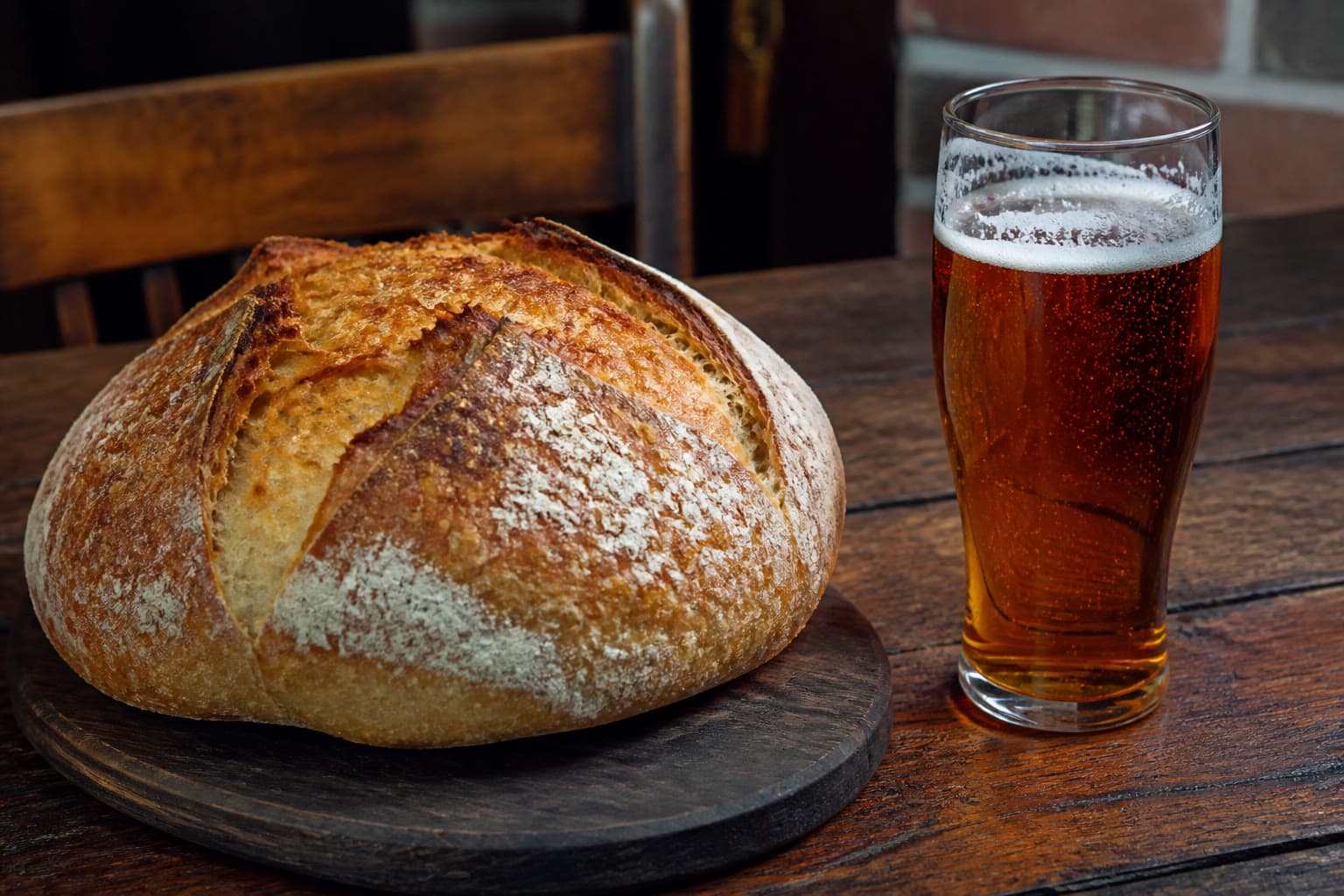
Gluten-Free Sourdough Beer Bread
A malt-adjacent country loaf built with certified gluten-free beer. Barley beer is not a shortcut; it is a celiac problem.
Discard
BEGINNER
DISCARD
JUL 2, 2026
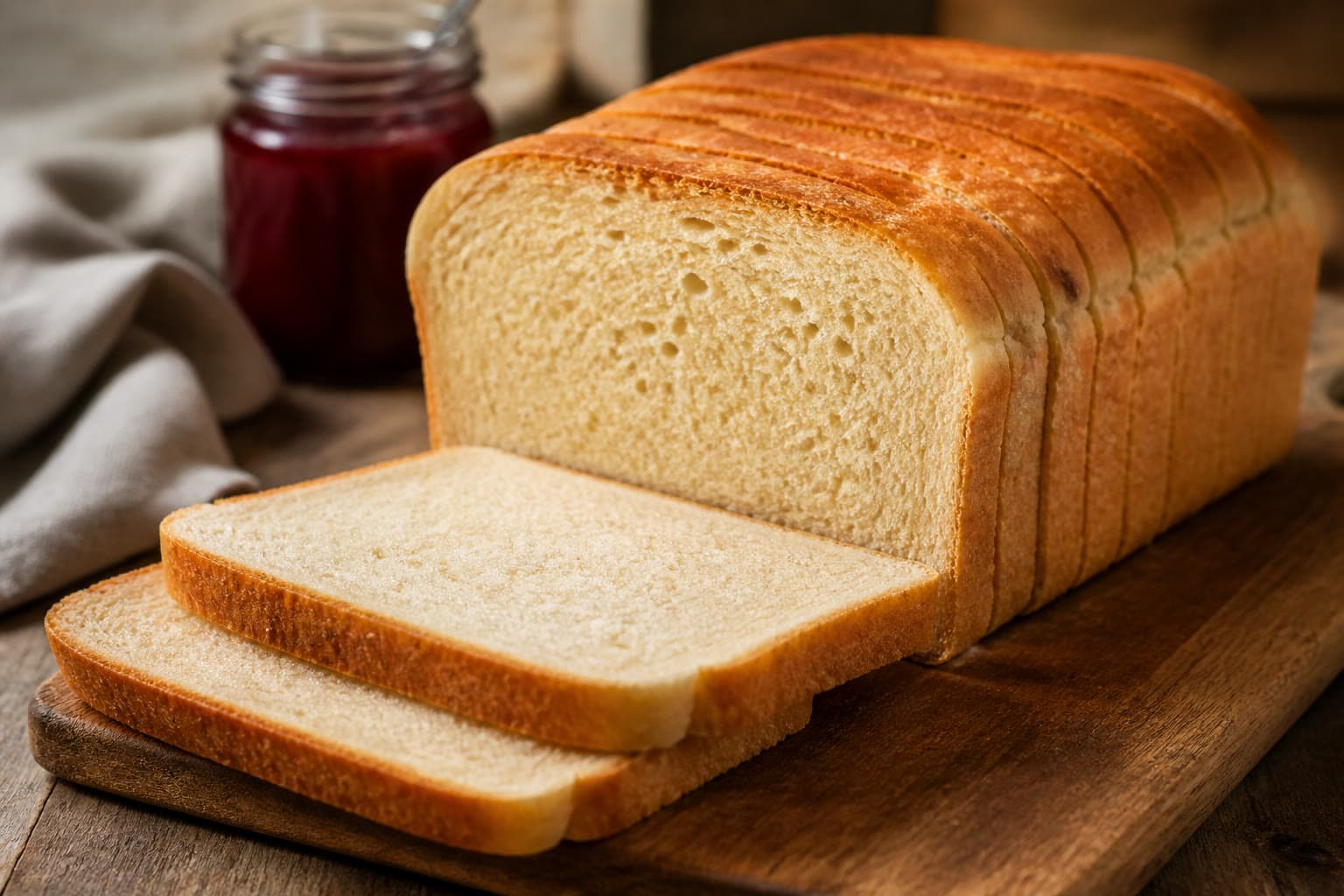
Gluten-Free Sourdough Croutons
Day-old gluten-free sourdough cubes, tossed in oil and baked until they rattle. The discard-jar mindset applied to leftover bread.
Technique
Keep the method close
Psyllium, fermentation temperature, and a celiac-safe starter matter as much as the formula.
About Andrew Kittridge
Home baker in Indianapolis documenting gluten-free sourdough: psyllium structure, whole-grain blends, and loaves that actually taste like bread.
More about the kitchen