Sandwich Breads · intermediate
Gluten-Free Sourdough Brioche Loaf
Key takeaway
Fat and eggs tenderize gluten-free brioche; psyllium and a pan still have to hold the gel.
Enriched sourdough with eggs or a flax swap, butter, and extra starch. French toast bread that still ferments.
Prep
30m
Ferment / rest
3.5h
Bake
45m
Servings
12
Difficulty
intermediate
The short answer
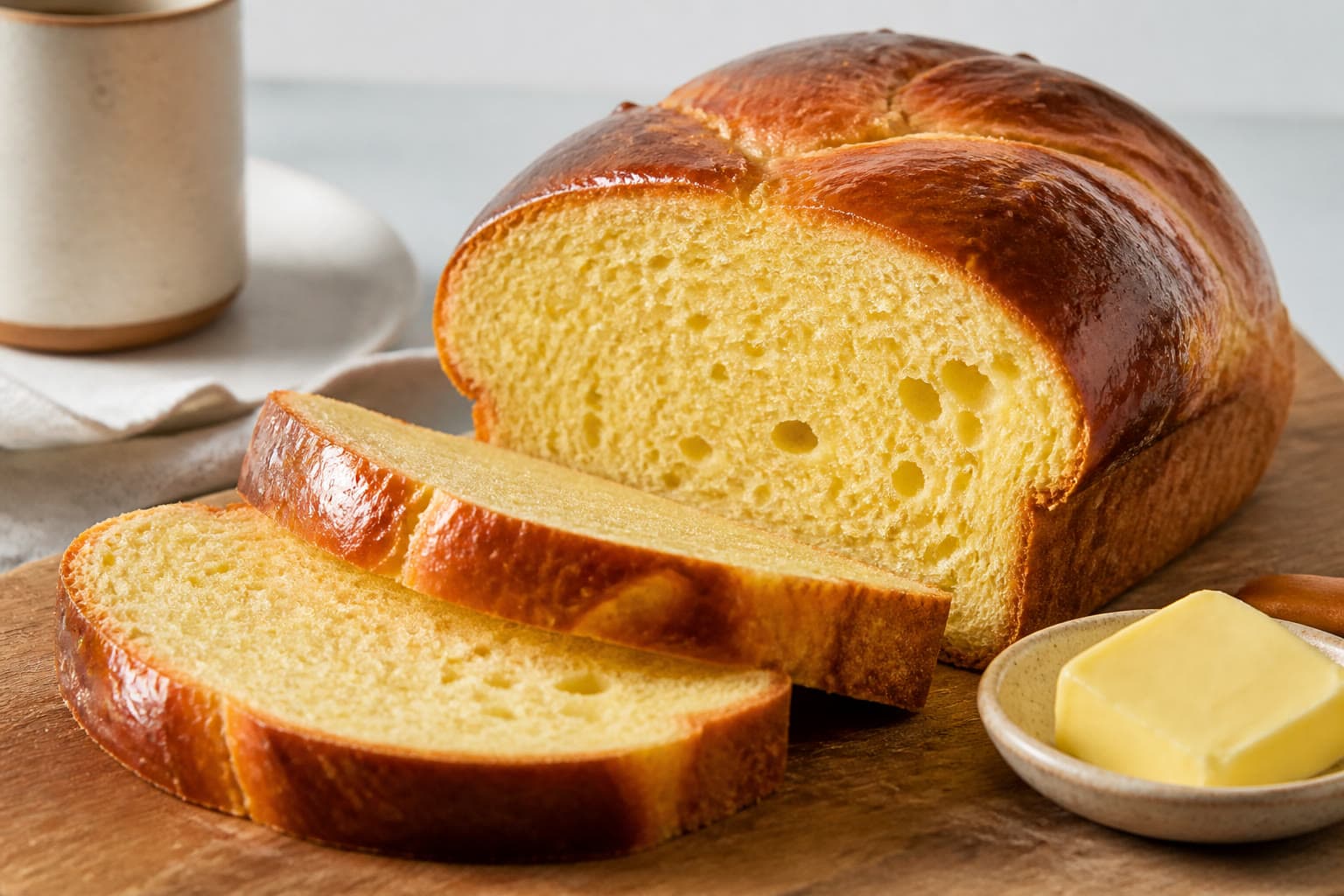
Brioche is enrichment: eggs, butter, a little sugar. Gluten-free brioche still needs psyllium (16g powder on 380g flour, about 4.2%) because fat shortens structure. We use 130g brown rice, 80g sorghum, 170g tapioca, 3 eggs (or 3 flax eggs), 80g butter, 40g sugar, 90g starter, 120g milk. The dough is a thick batter you pour into a pan. Proof until it looks soufflé-adjacent, bake at 350F so the sugar does not burn, cool completely. Flax version is slightly denser and still excellent toasted. This is not a lean boule wearing makeup.
For the method behind gluten-free structure, read the gluten-free sourdough guide and keep a lively culture with the starter guide.
Why it works
- High tapioca keeps enriched crumb shreddable instead of cakey.
- Lower bake temp protects sugar and butter.
- Psyllium compensates for fat shortening the gel.
Ingredients
- 130gbrown rice flour
- 80gsorghum flour
- 170gtapioca starch
- 16gpsyllium husk powder
- 40gsugar
- 6gfine sea salt
- 90gactive gluten-free starter
- 120gwarm milk or plant milk
- 3 large (about 150g)eggs, or 3 flax eggs (3 tbsp flax + 9 tbsp water, gelled 10 minutes)
- 80gbutter or vegan butter, melted and cooled
- 5gvanilla extract
Equipment
- 9x5 pan
- Scale
- Thermometer
Instructions
- 1
Whisk flours, tapioca, psyllium, sugar, and salt.
- 2
Beat starter, milk, eggs or flax gel, melted butter, and vanilla.
- 3
Combine. Rest 15 minutes. The batter should ribbon thickly, not pour like cake.
- 4
Scrape into a greased 9x5 pan. Proof 3–4 hours at 76F until puffy and domed.
- 5
Bake at 350F for 42–48 minutes to 200–205F. Tent early; sugar browns fast.
- 6
Cool 15 minutes in the pan, then 2 hours on a rack.
- 7
Slice for French toast or eat as buttered slabs.
- 8
If the center sinks, you overproofed or opened the oven early. Next time bake sooner.
Nutrition
Approximate values per serving. Always verify labels if you bake for celiac safety.
| Nutrient | Amount |
|---|---|
| Calories | 220 kcal |
| Protein | 5 g |
| Carbs | 32 g |
| Fat | 8 g |
| Fiber | 2 g |
| Sodium | 210 mg |
Substitutions
- Eggs
- Flax eggs as written; crumb will be a little tighter
- Butter
- Vegan butter, not coconut oil (it sets too firm in the fridge)
Storage
Wrap well. Enrichment keeps it soft 3 days. Freeze slices.
Notes
- Egg wash the top if you eat eggs. Plant milk wash is fine too.
FAQ
Can I make brioche dairy-free?
Yes. Use unsweetened plant milk and oil or vegan butter. Enriched gluten-free doughs do not rely on dairy proteins for structure—psyllium and starch do that work.
Why didn't these rise like wheat rolls?
Gluten-free enriched dough proofs until puffy and jiggly, not until doubled. Overproofing collapses the gel. Bake when a wet fingertip springs back slowly.
Do I still need psyllium if I use a 1:1 blend with xanthan?
Use a lighter psyllium dose (about 4% of flour) and do not add extra xanthan. Two full gums stacked make a bouncy, gummy crumb.
How do I keep sandwich bread from drying out?
Cool fully, then bag once the crust is dry to the touch. Freeze slices by day two. Toast from frozen.
Can I use discard instead of active starter?
Not for these yeasted-style enriched breads. Unfed discard belongs in pancakes and crackers. You need a peaked starter for lift.
Bake next
Related recipes
Breakfast
INTERMEDIATE
CINNAMON ROLLS
APR 22, 2026
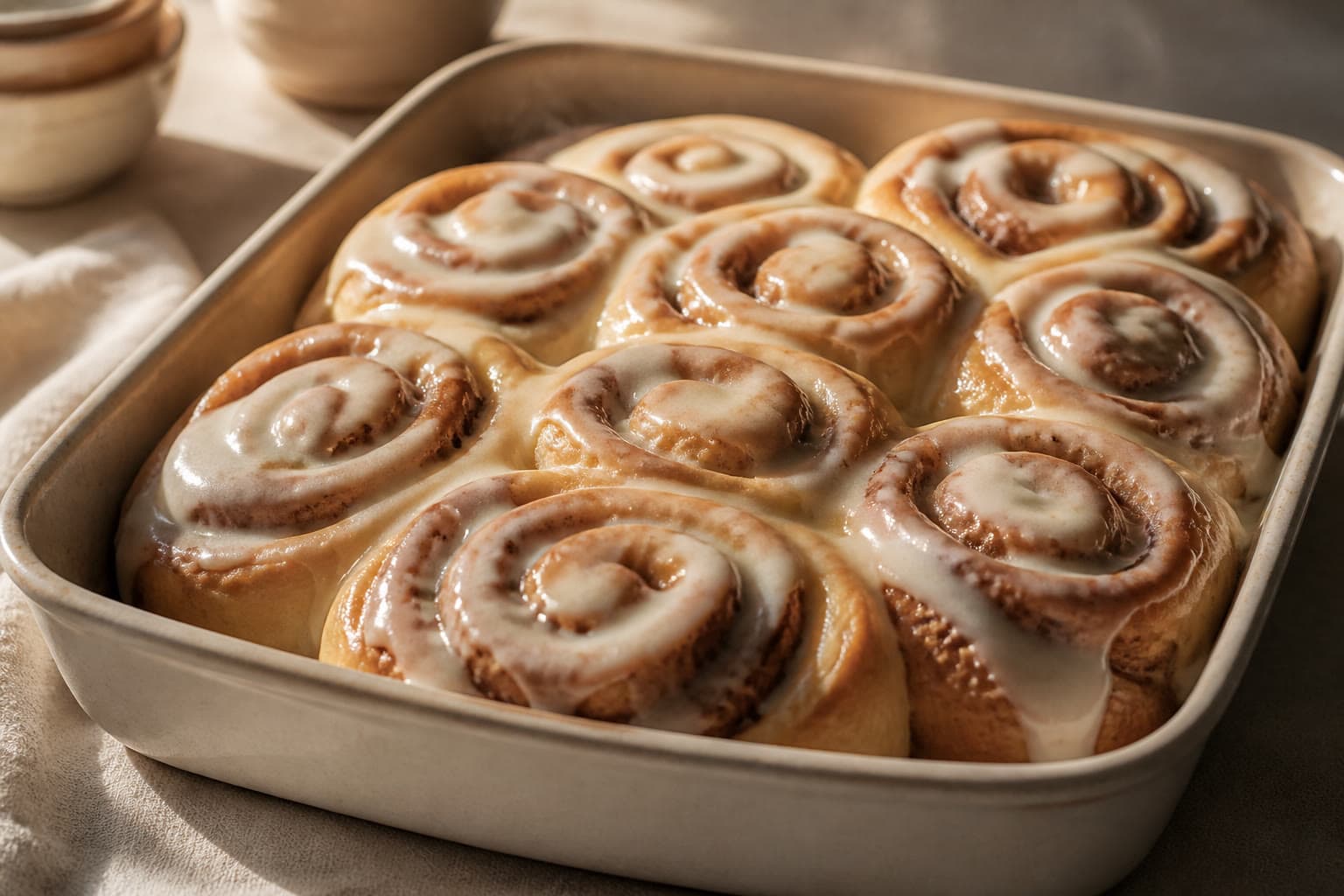
Gluten-Free Sourdough Cinnamon Rolls
Soft gluten-free sourdough cinnamon rolls enriched with milk, butter, and psyllium. Pan-proof until puffy, never doubled.
Rolls & Buns
INTERMEDIATE
ROLLS
MAR 1, 2026
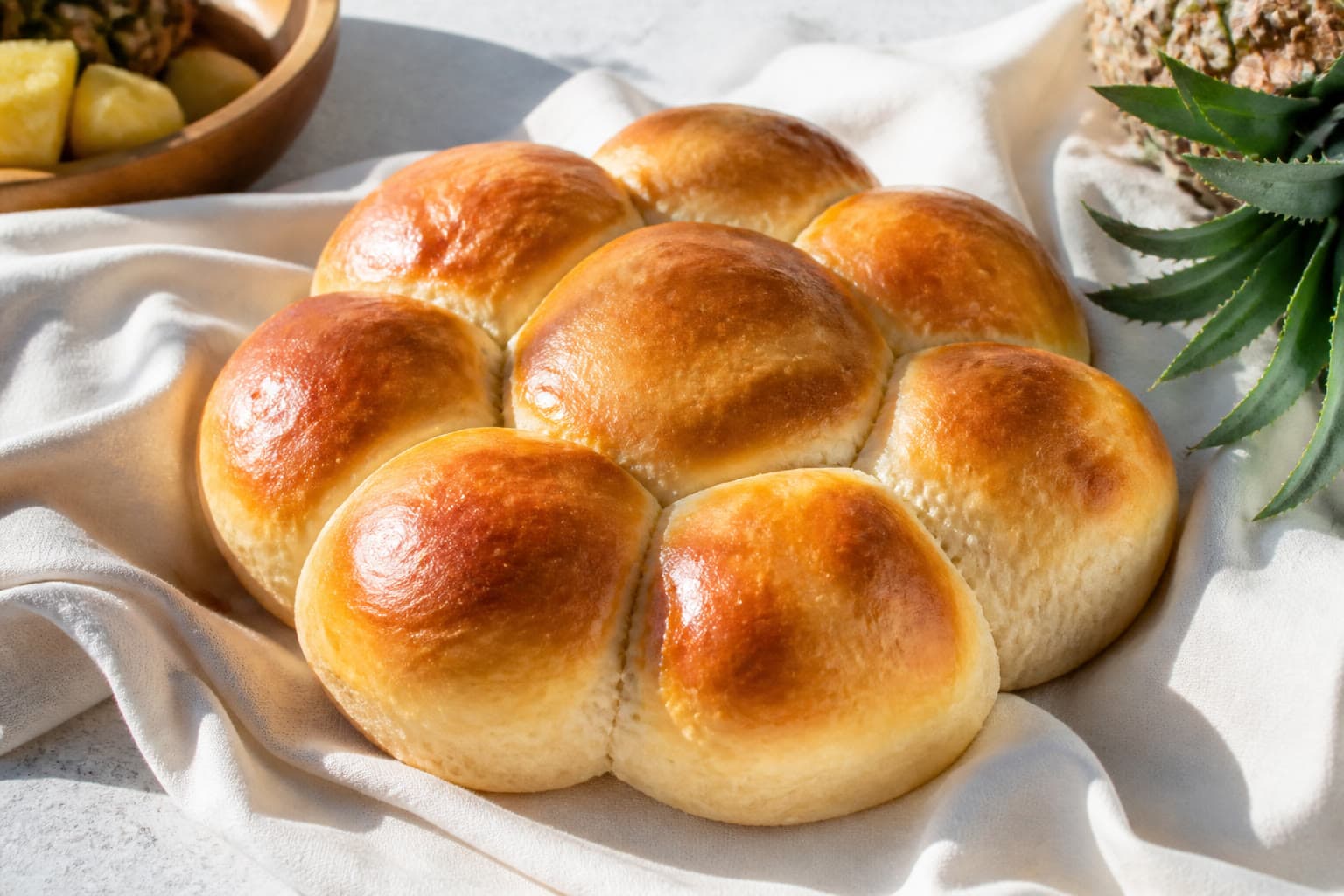
Gluten-Free Hawaiian Sourdough Rolls
Pineapple juice and a little brown sugar in enriched dough. Sweet, not candy-sweet, with real sourdough underneath.
Sandwich Breads
BEGINNER
SANDWICH
MAR 1, 2026
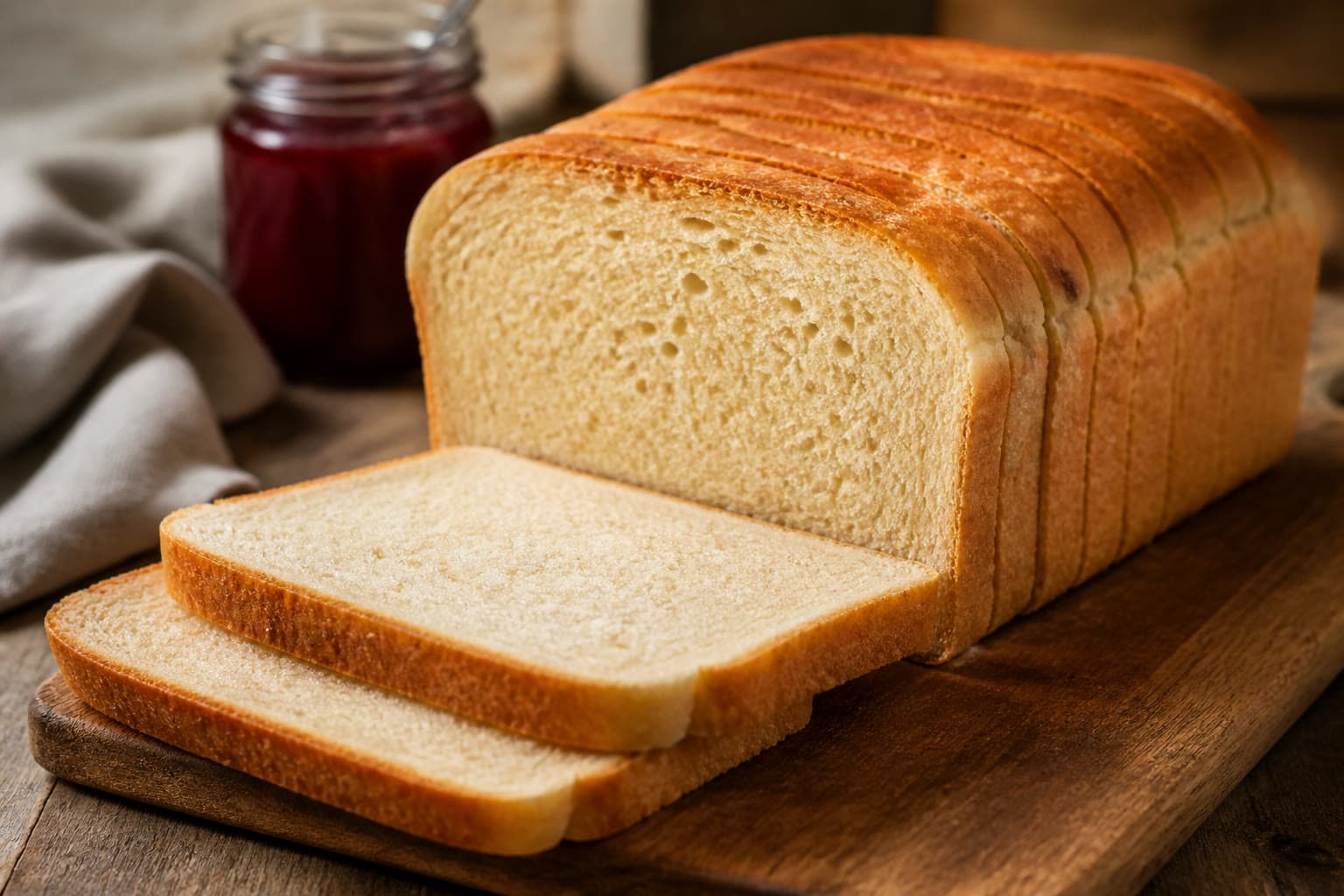
Gluten-Free Sourdough Sandwich Bread
A Pullman-style pan loaf with extra starch, milk, and 4.5% psyllium for square, toastable slices.
Technique
Keep the method close
Psyllium, fermentation temperature, and a celiac-safe starter matter as much as the formula.
About Andrew Kittridge
Home baker in Indianapolis documenting gluten-free sourdough: psyllium structure, whole-grain blends, and loaves that actually taste like bread.
More about the kitchen