Breakfast · intermediate
Gluten-Free Sourdough Bagels
Key takeaway
Gluten-free sourdough bagels need a stiff psyllium dough, a brief baking-soda honey poach, and a hot oven. Proof until puffy, not doubled.
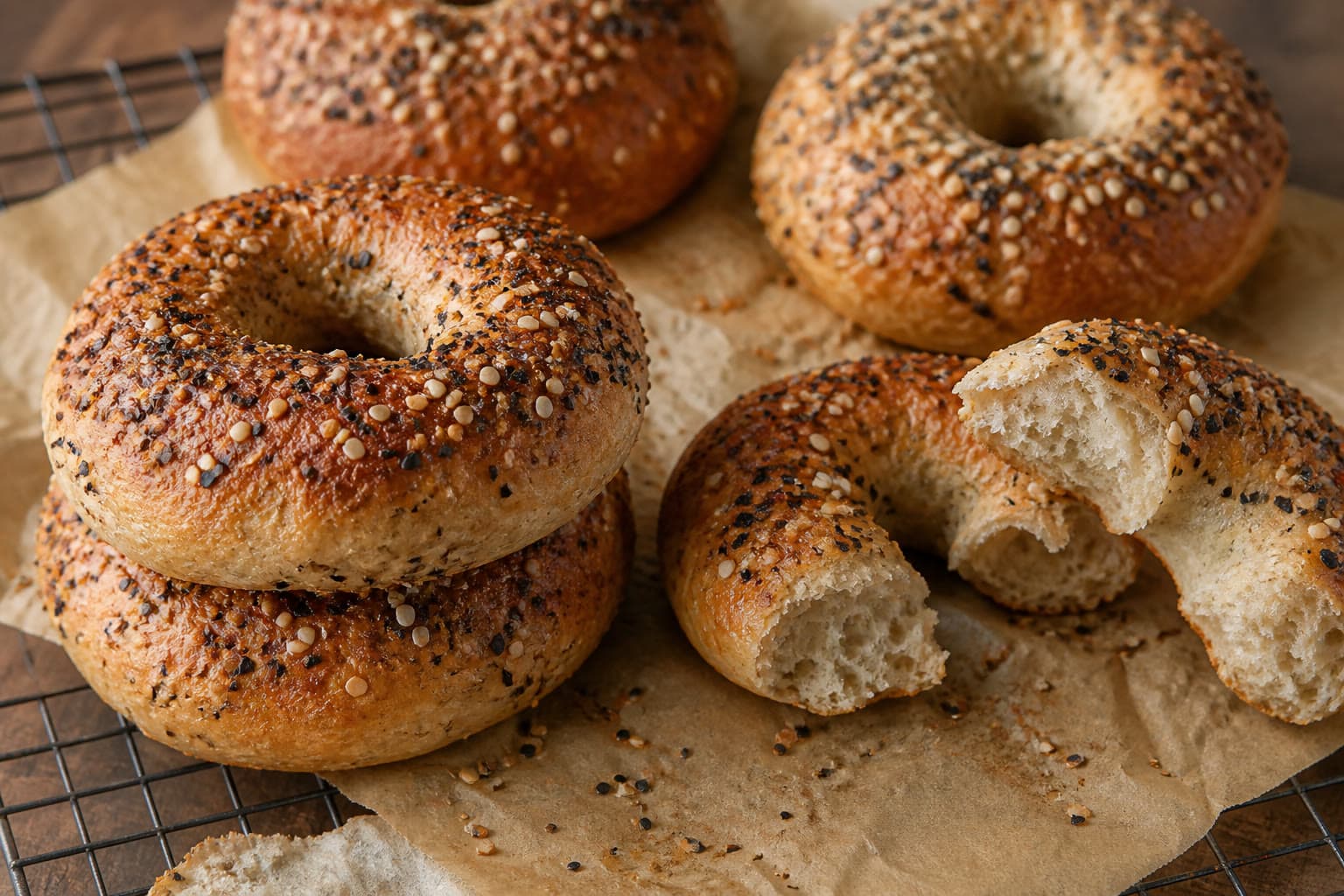
Chewy gluten-free sourdough bagels poached in baking-soda honey water, then baked hot for a glossy blistered crust.
Prep
45m
Proof
2–3h
Bake
22m
Servings
8
Difficulty
intermediate
The short answer
These gluten-free sourdough bagels get their chew from a stiff psyllium dough and a brief alkaline poach, not from gluten. Honey in the poaching water browns the crust the way malt would, without barley. Shape, proof until puffy, boil, then bake in a hot oven so the skins set shiny and the crumb stays tight enough for a schmear.
For the method behind gluten-free structure, read the gluten-free sourdough guide and keep a lively culture with the starter guide.
Why it works
- A stiff dough and psyllium gel give enough tensile strength to survive a poach without gluten.
- Alkaline water sets a skin in under a minute, which is the chew people mean when they say bagel.
- Honey in the bath feeds Maillard browning because gluten-free crusts otherwise stay pale.
- A hot 450F bake drives oven spring after the poach has already defined the shape.
- Proofing to puffy, not doubled, keeps the interior tight instead of tunneling into a hollow ring.
Ingredients
- 22gwhole psyllium huskgel
- 370gwarm water (about 100F / 38C)gel
- 170gsorghum flourdough
- 90gtapioca starchdough
- 70gbrown rice flourdough
- 40gpotato starchdough
- 12gfine sea saltdough
- 180gactive gluten-free sourdough starter (100% hydration)dough
- 20ghoneydough
- 2.5 literswaterpoach
- 20gbaking sodapoach
- 20ghoney or gluten-free sorghum malt syruppoach
- 30gsesame seeds, poppy seeds, or everything bagel mixtopping
Equipment
- Digital kitchen scale
- Stand mixer with paddle or a large mixing bowl
- Wide pot for poaching
- Slotted spoon
- Rimmed baking sheet and parchment
- Baking stone or steel (optional)
Instructions
- 1
Feed your gluten-free starter 4–8 hours ahead so it is doubled, domed, and smells like yogurt and green apple. Weigh the flours and starches into one bowl so the mix is ready when the gel sets.
5 minutes
- 2
Whisk the psyllium husk into the 370g warm water. Let it stand 6–8 minutes until it thickens into a pourable gel. This gel is the dough’s flexible network. Whole husk is what we measure here. If you only have psyllium powder, use 11g.
8 minutes
- 3
Add the gel, starter, and honey to the dry blend. Mix with a paddle or a sturdy spatula until no dry flour remains and the dough looks like a firm, slightly tacky clay. GF bagel dough should not slump. If it is sticky like batter, rest 5 minutes, then mix in 10g sorghum. If it cracks when squeezed, wet your hand and work in 10–15g water.
6 minutes
- 4
Cover and rest 20 minutes at room temperature so the starches hydrate. With wet hands, give the dough a few folds in the bowl. Cover again and bulk ferment 45–60 minutes at 75–78F. It will swell and feel aerated, not doubled.
1 hour 20 minutes
- 5
Turn the dough onto a wet counter. Divide into 8 pieces, about 115–120g each. Roll each piece into a tight ball. Poke a hole through the center with a wet finger and stretch to a 2-inch opening, or roll a 8-inch rope and pinch the seam firmly. Set on parchment-lined sheets.
15 minutes
- 6
Cover and proof 60–90 minutes at 75–80F until the bagels look puffy and a gentle poke springs back slowly. Do not wait for them to double. Overproofed gluten-free bagels wrinkle in the poach and bake up hollow. Overnight option: cover and refrigerate the shaped bagels 8–12 hours, then poach from cold.
75 minutes
- 7
Heat the oven to 450F (232C) with a baking stone or steel on the middle rack if you have one. Bring the poaching water to a gentle boil. Stir in baking soda and honey. The water should smell faintly alkaline-sweet, not like a chemistry set.
15 minutes
- 8
Poach 2–3 bagels at a time, 30–40 seconds per side. Gluten-free dough is more delicate than wheat, so this is a dip, not a long boil. Lift with a slotted spoon, let drip, then set back on parchment. Sprinkle toppings while the surface is wet.
8 minutes
- 9
Bake 20–24 minutes until deep golden with a taut, slightly blistered skin. Rotate the pan at 12 minutes. Cool at least 25 minutes before slicing. The crumb finishes setting as it cools. Toast the next day, when bagels are at their chewiest.
22 minutes
Nutrition
Approximate values per serving. Always verify labels if you bake for celiac safety.
| Nutrient | Amount |
|---|---|
| Calories | 286 kcal |
| Protein | 6 g |
| Carbs | 58 g |
| Fat | 2 g |
| Fiber | 6 g |
| Sodium | 610 mg |
Substitutions
- Whole psyllium husk
- Use half the weight in psyllium powder (11g here). Powder gels faster.
- Honey in the poach
- Gluten-free sorghum malt syrup or 15g unsulphured molasses.
- Sorghum flour
- Light buckwheat or millet flour, same weight. Flavor will shift earthier.
- Everything topping
- Sesame, poppy, coarse salt, or leave them naked and toast with butter.
- Same-day proof
- Refrigerate shaped bagels overnight and poach from cold the next morning.
Storage
Cool completely. Keep in a paper bag inside a loose plastic bag at room temperature for 1 day, then slice and freeze up to 2 months. Toast from frozen. Refrigeration stales them faster than freezing.
Notes
- Barley malt syrup is not gluten-free. Use honey or a labeled gluten-free sorghum malt syrup in the poach.
- A 450F oven sets the skin fast. A timid 375F bake gives pale, bready rings instead of bagels.
- If toppings fall off, mist the poached bagels and press the seeds on with a wet palm.
- Freeze cooled bagels split. Toast from frozen.
FAQ
Why poach gluten-free bagels in baking soda and honey?
Baking soda raises the pH of the water so the surface starches gelatinize in seconds, which is how you get a shiny, snappy skin. Honey (or gluten-free malt syrup) adds sugars for browning. Skip the poach and you get baked rolls with holes, not bagels.
Can I use barley malt like a classic bagel shop?
No. Barley malt contains gluten. Honey, molasses, or a certified gluten-free sorghum malt syrup give you the same browning job without contaminating a celiac kitchen.
My bagels spread in the water. What happened?
The dough was too wet, too warm, or overproofed. Gluten-free bagel dough should feel like firm clay. Chill the shaped rings 20 minutes, shorten the proof, and keep the poach at a gentle boil, not a rolling chaos.
Do I need commercial yeast in addition to starter?
Not in this formula. An active, recently fed gluten-free starter plus a warm proof is enough. If your kitchen is under 70F, extend the shaped proof rather than adding yeast, which can blow out the crumb before the psyllium sets.
How do I know they are proofed enough?
They look slightly inflated, the surface is smooth, and a wet finger leaves a dent that creeps back halfway. If the dent vanishes instantly, wait. If it stays and the bagel sighs, they are overproofed. Poach those gently and bake anyway. They will still taste good.
Bake next
Related recipes
Rolls & Buns
INTERMEDIATE
PRETZELS
JUL 23, 2026
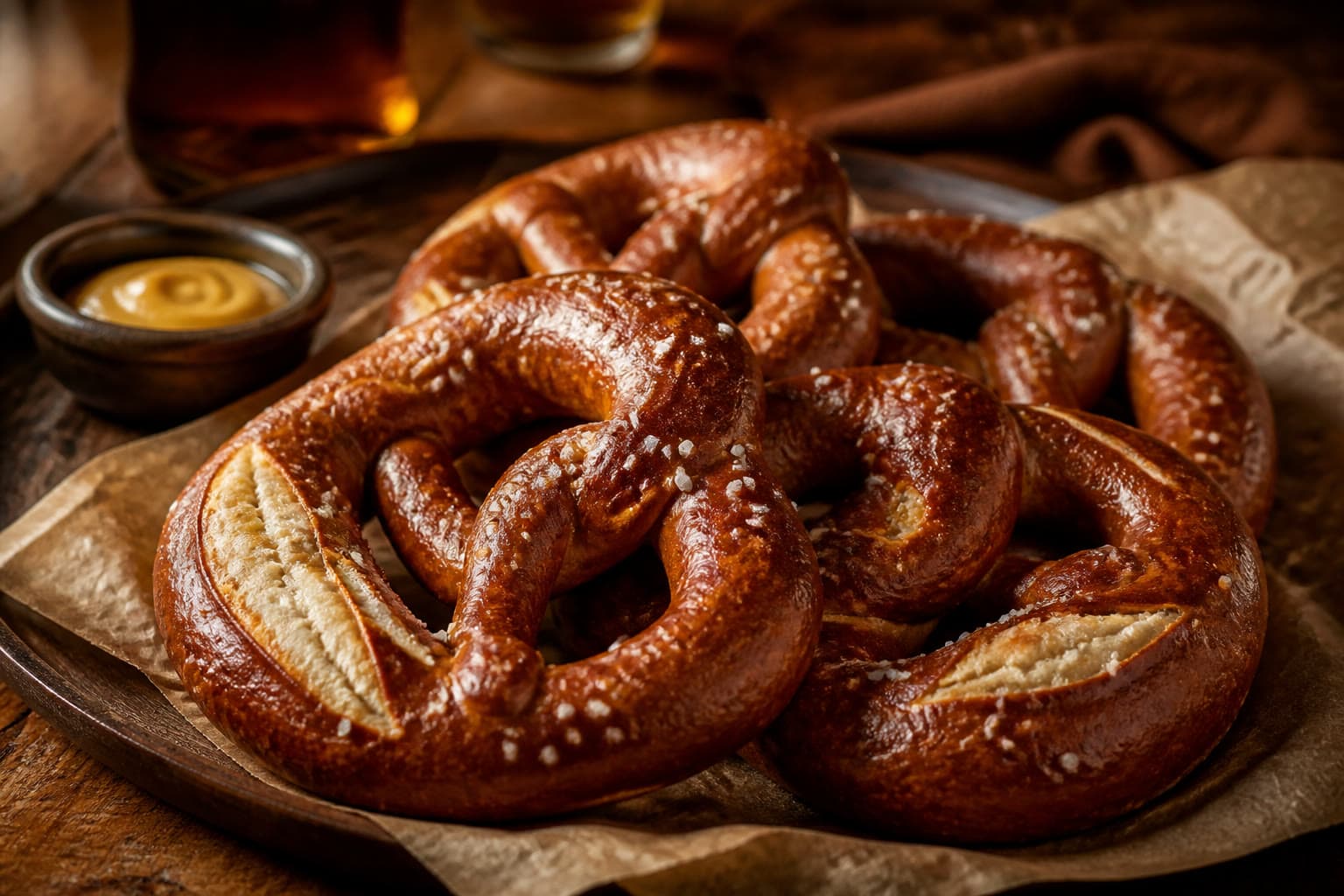
Gluten-Free Sourdough Soft Pretzels
Soft gluten-free sourdough pretzels dipped in a baking-soda bath, baked hot, and brushed with butter.
Breakfast
BEGINNER
CRUMPETS
MAY 14, 2026
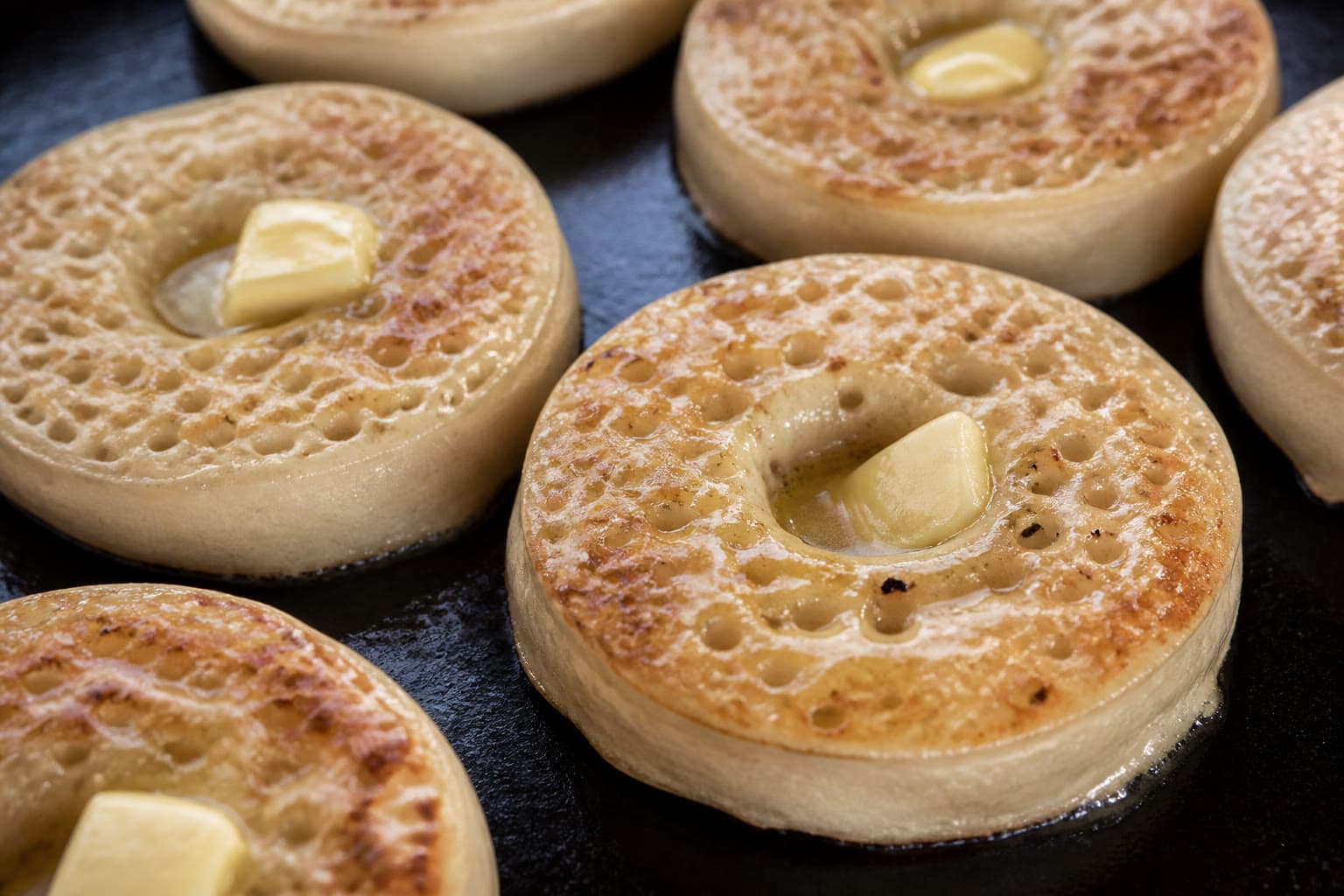
Gluten-Free Sourdough Crumpets
Griddle crumpets with a sour batter and a late baking-soda burst. Rings, lots of bubbles, toasted and buttered.
Artisan Loaves
INTERMEDIATE
LOAVES
JUN 25, 2026
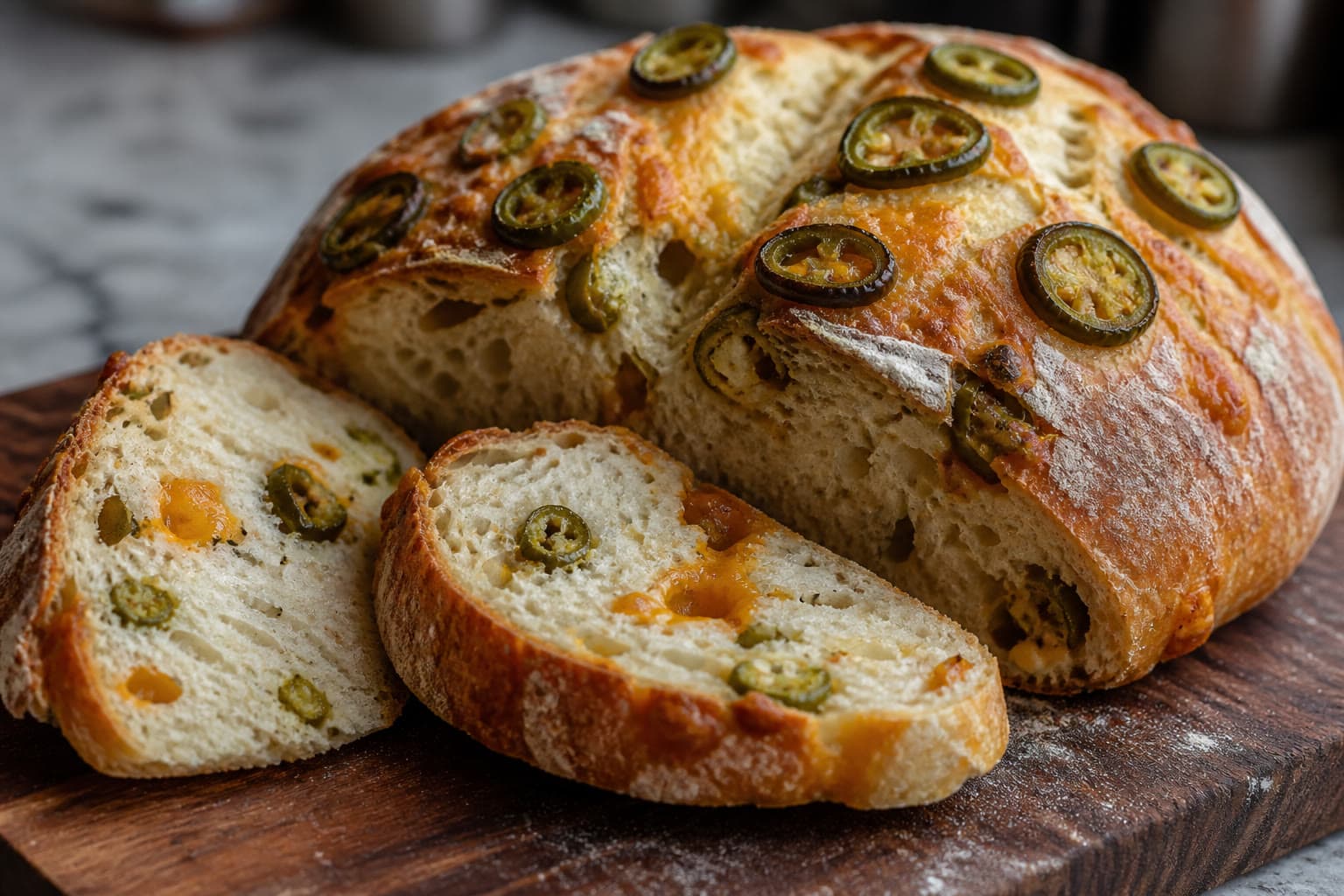
Jalapeño Cheddar Sourdough Loaf
A gluten-free sourdough boule packed with sharp cheddar and pickled jalapeños. Tang, heat, and a toasted-cheese crust.
Technique
Keep the method close
Psyllium, fermentation temperature, and a celiac-safe starter matter as much as the formula.
About Andrew Kittridge
Home baker in Indianapolis documenting gluten-free sourdough: psyllium structure, whole-grain blends, and loaves that actually taste like bread.
More about the kitchen