Sweets · beginner
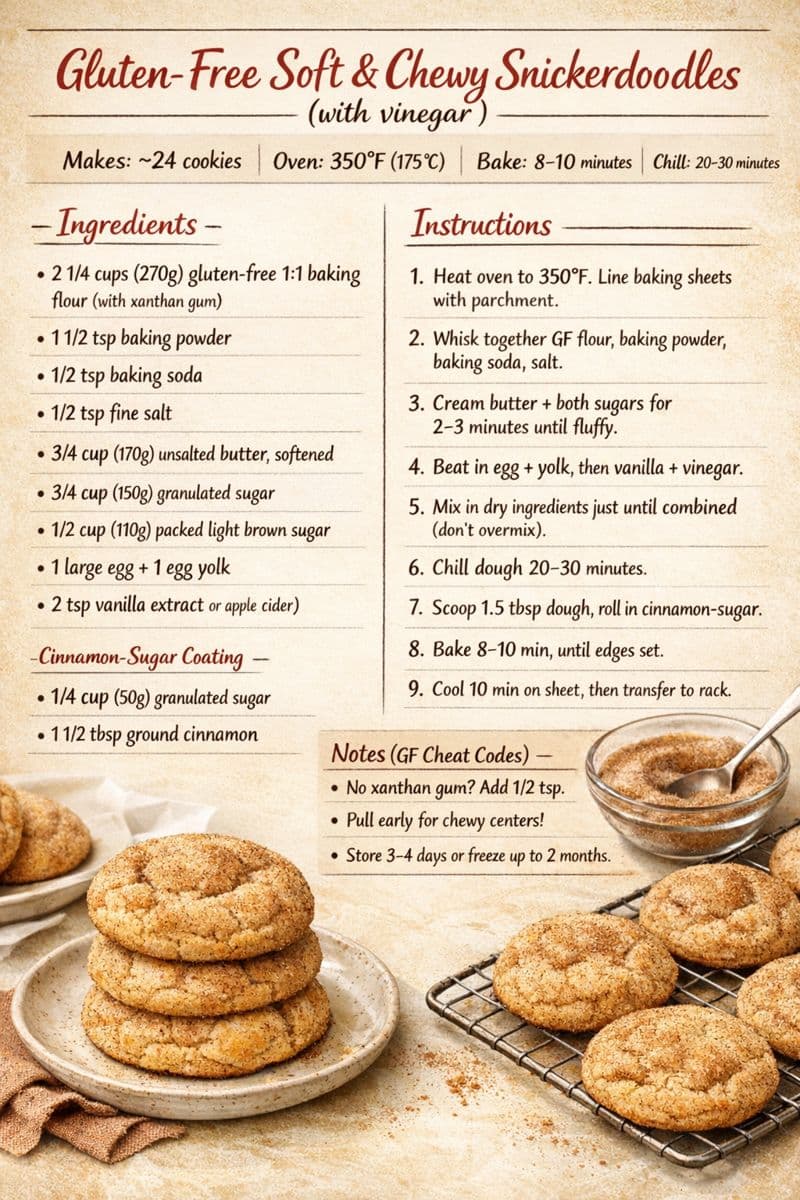
Gluten-Free Soft & Chewy Snickerdoodles (with vinegar)
Key takeaway
These gluten-free snickerdoodles stay a vinegar-leavened bakery cookie. Pull them underdone. Discard does not make them better.
Soft, cinnamon-sugar snickerdoodles with a gentle vinegar boost for extra chew. A gluten-free bakery classic, not a sourdough cookie.
Prep
20m
Chill
20–30m
Bake
10m
Servings
24
Difficulty
beginner
The short answer
These are the house gluten-free snickerdoodles: a 1:1 blend with xanthan, brown sugar for chew, an extra yolk, and a teaspoon or two of vinegar that stands in for the snap cream of tartar usually gives. They are chemically leavened bakery cookies, not a fermented dough. Sourdough discard does not improve this formula. It thins the dough and dulls the cinnamon crust. Bake them as written, pull them early, and let the pan finish the centers.
For the method behind gluten-free structure, read the gluten-free sourdough guide and keep a lively culture with the starter guide.
Why it works
- Vinegar supplies the acid snickerdoodles are known for without depending on cream of tartar.
- Brown sugar and an extra yolk hold moisture in a rice-based flour blend.
- A short chill controls spread without locking the dough into hockey pucks.
- An early pull plus a 10-minute sheet rest is how you get a set edge and a soft middle.
- Xanthan in the 1:1 blend is the binder. Psyllium would make these bready, so we do not use it here.
Ingredients
- 2 1/4 cups (270g)gluten-free 1:1 baking flour (with xanthan gum)
- 1 1/2 tspbaking powder
- 1/2 tspbaking soda
- 1/2 tspfine salt
- 3/4 cup (170g)unsalted butter, softened
- 3/4 cup (150g)granulated sugar
- 1/2 cup (110g)packed light brown sugar
- 1 largeegg
- 1egg yolk
- 2 tspvanilla extract
- 2 tspvinegar (white or apple cider)
- 1/4 cup (50g)granulated sugar (for coating)
- 1 1/2 tbspground cinnamon (for coating)
Equipment
- Digital scale (preferred) or measuring cups
- Hand mixer or stand mixer
- Parchment-lined baking sheets
- Cookie scoop (about 1.5 tablespoons)
- Wire rack
Instructions
- 1
Heat the oven to 350F (175C). Line two baking sheets with parchment. If your kitchen is warm, plan on the chill in step 6. Soft dough makes blobs instead of cookies.
5 minutes
- 2
Whisk the gluten-free 1:1 flour, baking powder, baking soda, and salt. If your blend has no xanthan gum, add 1/2 teaspoon now. Xanthan is the difference between a cookie and sand.
2 minutes
- 3
Beat butter, 150g granulated sugar, and brown sugar on medium 2–3 minutes until the mixture looks pale and fluffy. You are dissolving sugar into fat so the cookies spread into crinkles instead of sitting like rocks.
3 minutes
- 4
Beat in the egg and yolk until combined, then the vanilla and vinegar. The dough may look faintly curdled. That is the acid meeting the butter. It smooths when the flour goes in.
2 minutes
- 5
Add the dry ingredients and mix on low just until no dry streaks remain. Do not beat the life out of it. Gluten-free dough still toughens if you whip it after the starch is wet.
1 minute
- 6
Cover and chill 20–30 minutes, until the dough scoops cleanly and holds a ball. Longer than an hour and they will not spread enough. If you chilled hard, sit the bowl on the counter 10 minutes.
25 minutes
- 7
Stir the remaining 50g sugar with the cinnamon. Scoop 1.5-tablespoon balls (30–35g). Roll round, then roll in the coating so every millimeter is dusty. Set 2 inches apart.
10 minutes
- 8
Bake one sheet at a time for 8–10 minutes. Edges should look set and the centers should look slightly underdone, even wet in the very middle. That is the chew talking. Overbaking is how gluten-free snickerdoodles become cinnamon crackers.
9 minutes
- 9
Cool on the sheet 10 minutes. The residual heat finishes the centers. Move to a rack. Eat one warm so you know the target for next time.
10 minutes
Nutrition
Approximate values per serving. Always verify labels if you bake for celiac safety.
| Nutrient | Amount |
|---|---|
| Calories | 152 kcal |
| Protein | 1 g |
| Carbs | 22 g |
| Fat | 7 g |
| Fiber | 1 g |
| Sodium | 95 mg |
Substitutions
- Unsalted butter
- A firm plant butter stick, 170g. Avoid tub margarine.
- Apple cider vinegar
- Distilled white vinegar, same 2 tsp. Lemon juice works in a pinch.
- Light brown sugar
- Dark brown sugar for a molasses-leaning cookie.
- 1:1 flour with xanthan
- If the blend has no xanthan, add 1/2 tsp xanthan gum.
- Cinnamon coating
- Half cinnamon, half cardamom for a colder-weather batch.
Storage
Airtight at room temperature 3–4 days. Freeze baked cookies up to 2 months. Dough balls freeze well. Do not refrigerate baked cookies if you can help it. The fridge stales them.
Notes
- If your gluten-free flour blend does not include xanthan gum, add 1/2 tsp.
- For max chew, pull early. Overbaking equals dry sadness.
- Store airtight for 3–4 days or freeze up to 2 months.
- Sourdough-adjacent, honestly: vinegar is the acid here, the same job cream of tartar does in wheat snickerdoodles. Unfed starter is not a swap we recommend. It adds water and a dull tang without improving spread or chew.
FAQ
Why vinegar instead of cream of tartar?
Classic snickerdoodles use cream of tartar for tang and for how it interacts with baking soda. Vinegar gives us that acid in a gluten-free dough that already has baking powder and soda. Two teaspoons is enough for chew and a faint tang without making pickle cookies.
Can I add sourdough discard?
You can, and we have tried. 15–20g discard makes the dough slack, the cookies spread thin, and the cinnamon crust tastes muddy. These stay a chemically leavened gluten-free cookie. Put discard in the Dutch baby instead.
Why an extra egg yolk?
Yolk is fat and emulsifier. It keeps gluten-free cookies moist after day one, when rice-based flours otherwise go sandy.
My cookies did not crinkle. What happened?
The dough was too cold, the oven was too cool, or you packed extra flour. They should spread into a round with a crackled cinnamon lid. If they sit in balls, flatten slightly before baking next round.
Can I freeze the dough?
Yes. Roll in cinnamon sugar, freeze on a sheet, then bag. Bake from frozen at 350F, adding 1–2 minutes. Still pull them underdone.
Bake next
Related recipes
Sweets
BEGINNER
COOKIES
FEB 13, 2026
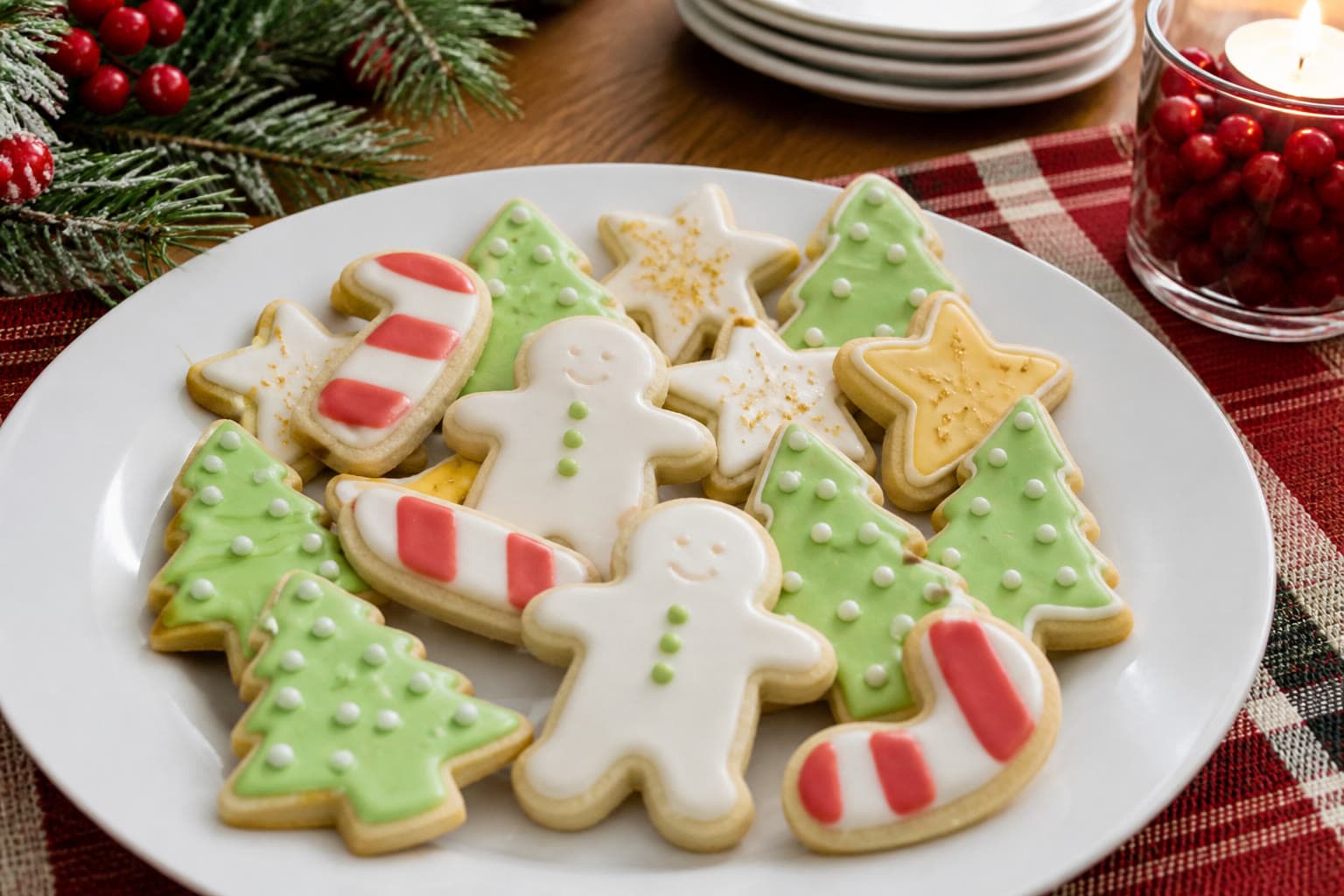
Gluten-Free Cut-Out Sugar Cookies
Soft centers, crisp edges, and a smooth canvas for decorating. These gluten-free cut-outs hold their shape.
Breakfast
INTERMEDIATE
CINNAMON ROLLS
APR 22, 2026
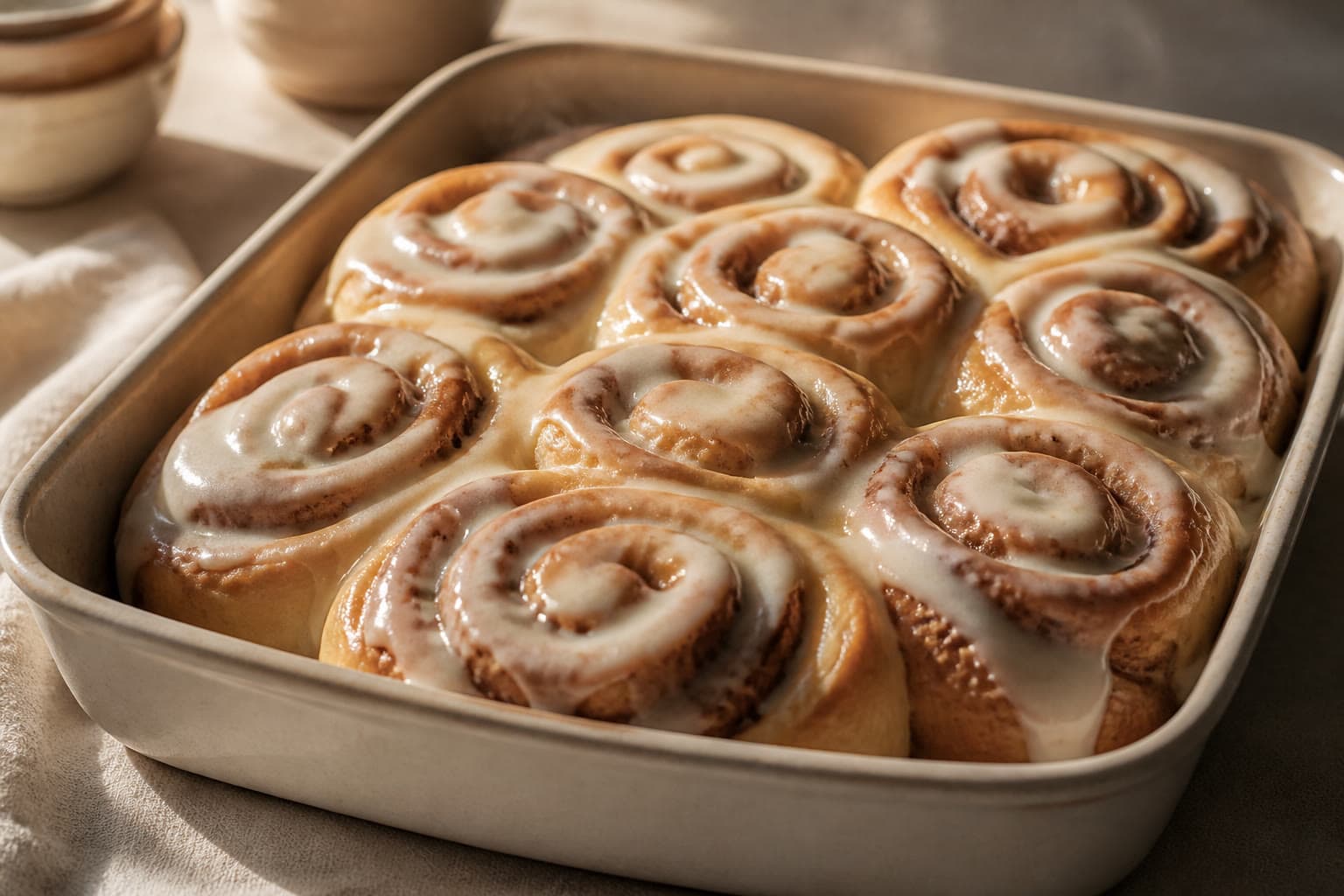
Gluten-Free Sourdough Cinnamon Rolls
Soft gluten-free sourdough cinnamon rolls enriched with milk, butter, and psyllium. Pan-proof until puffy, never doubled.
Breakfast
BEGINNER
DUTCH BABY
MAY 28, 2026
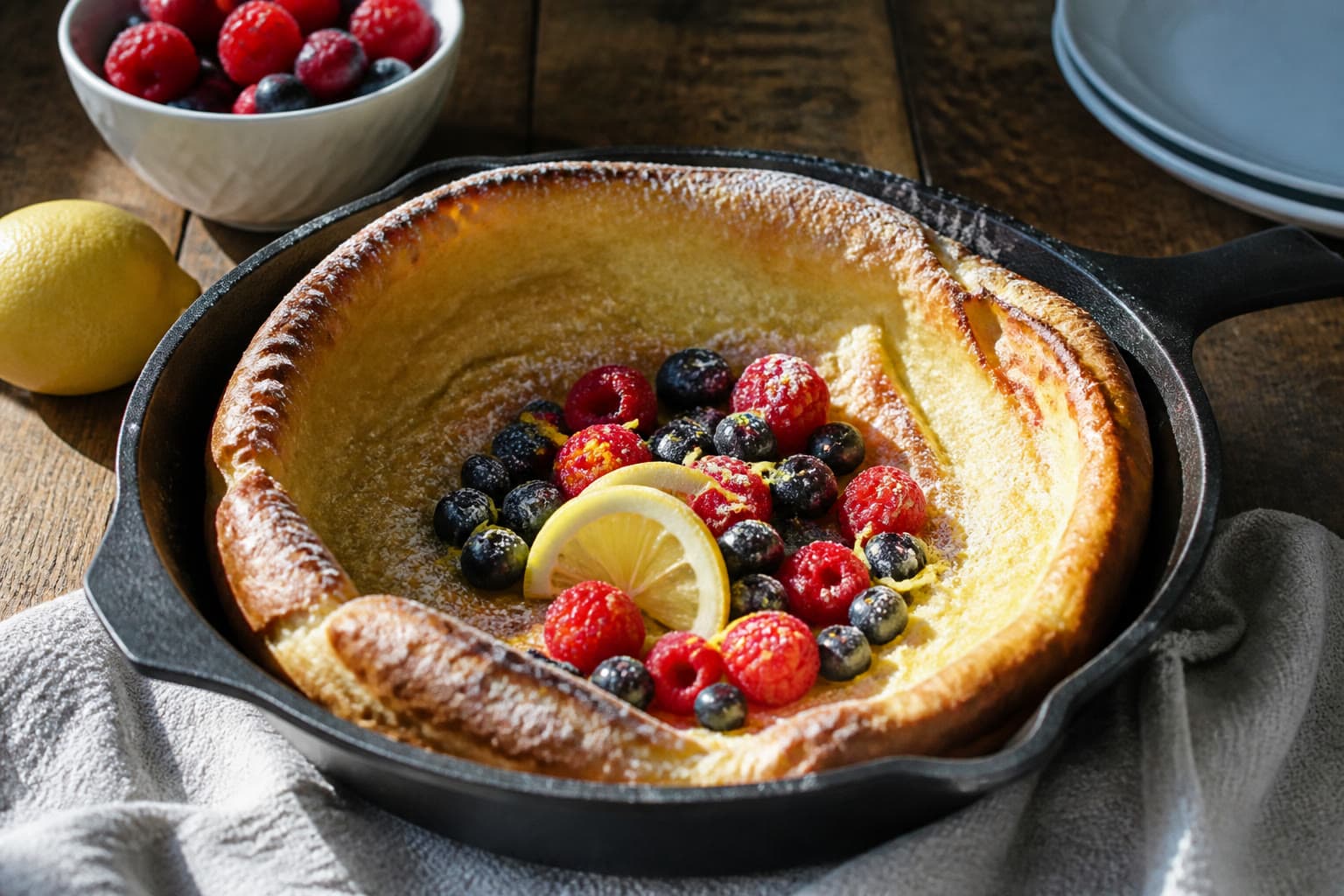
Gluten-Free Sourdough Dutch Baby
A blender Dutch baby that uses discard or a spoon of starter, poured into a ripping-hot buttery skillet.
Technique
Keep the method close
Psyllium, fermentation temperature, and a celiac-safe starter matter as much as the formula.
About Andrew Kittridge
Home baker in Indianapolis documenting gluten-free sourdough: psyllium structure, whole-grain blends, and loaves that actually taste like bread.
More about the kitchen